
Free in-home measure and quote - PGT, CGI and CWS impact lines compared on your actual openings, style by style
Sliding glass doors
Impact garage doorsPGTCGI
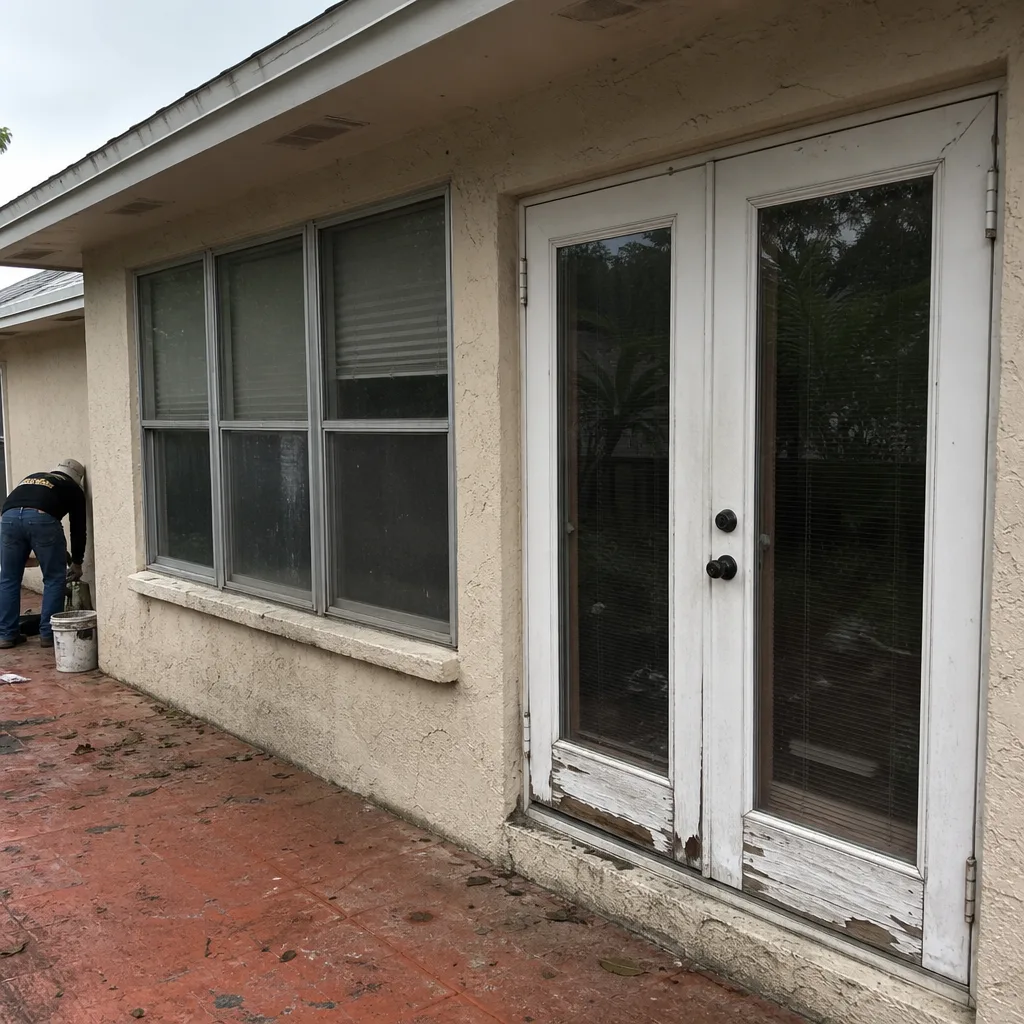 Before
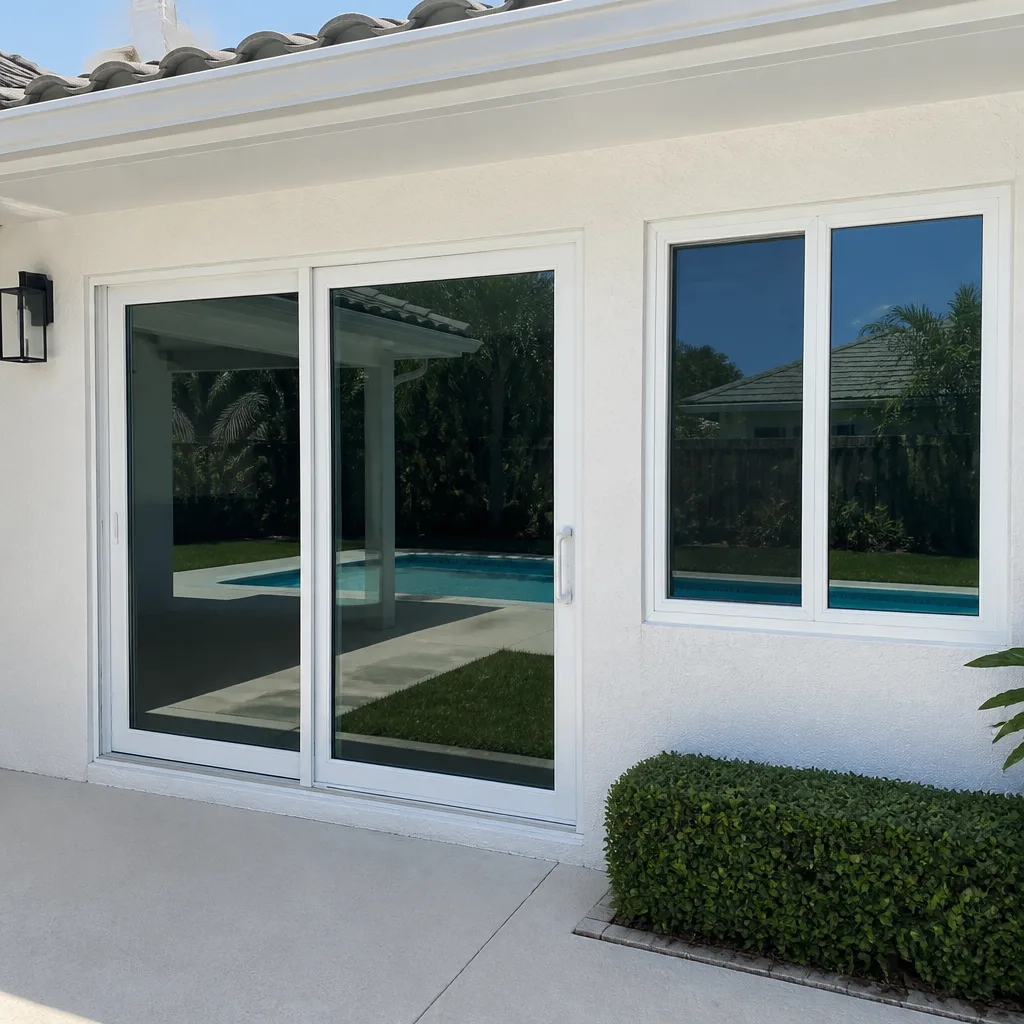 After
After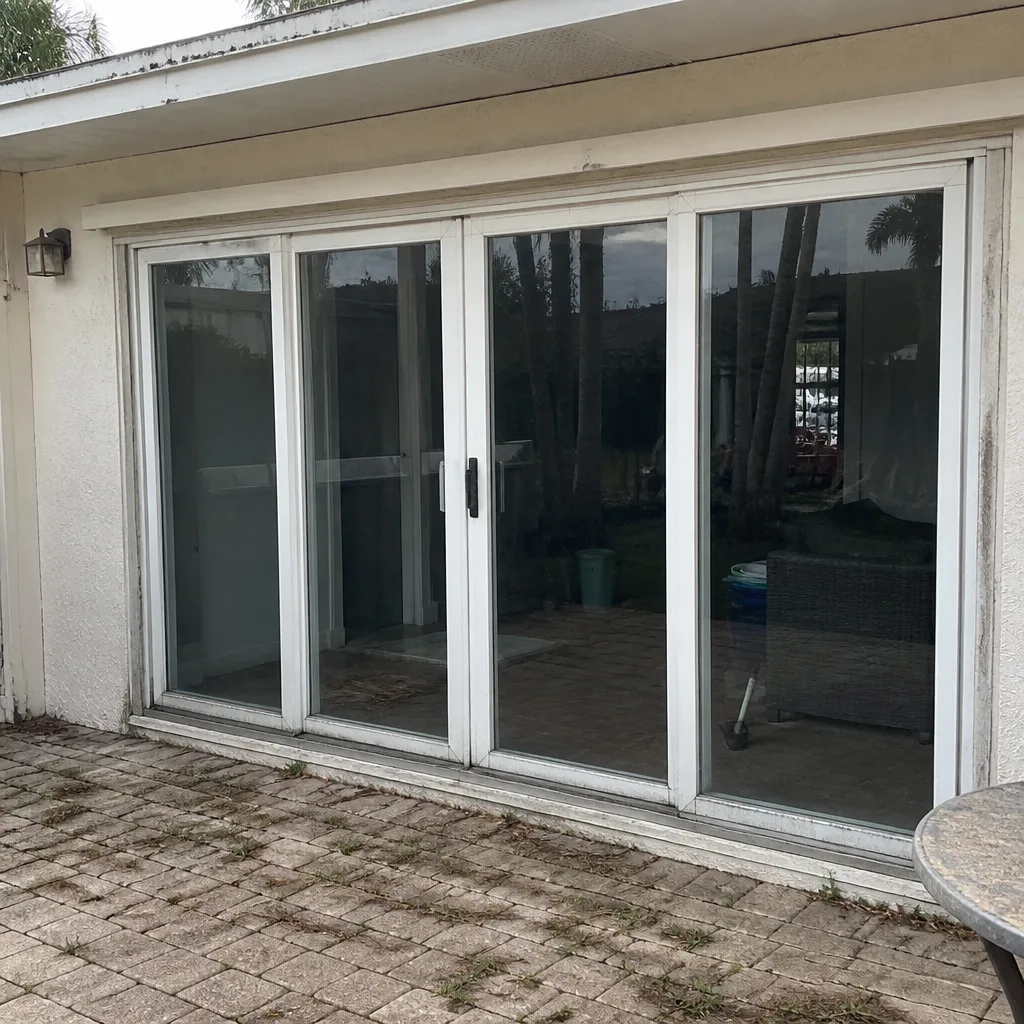 Before
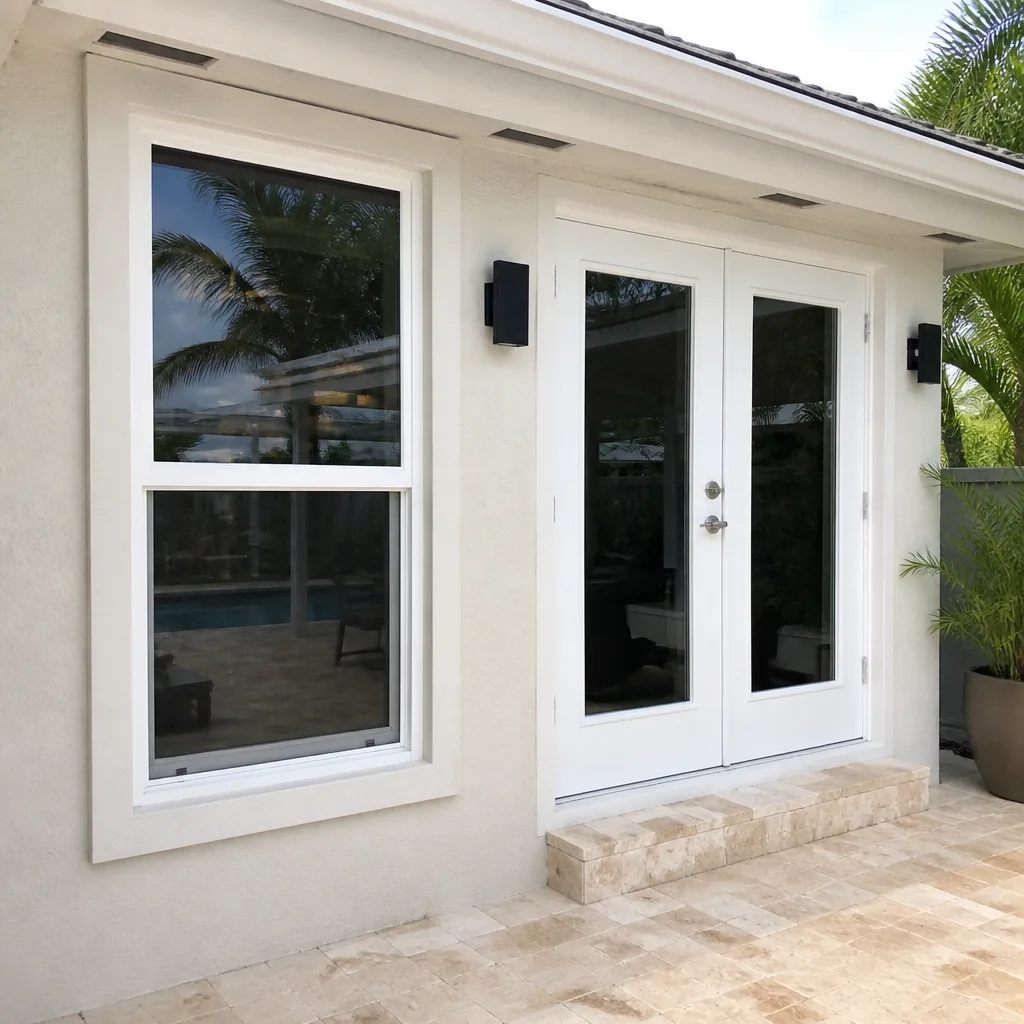 After
After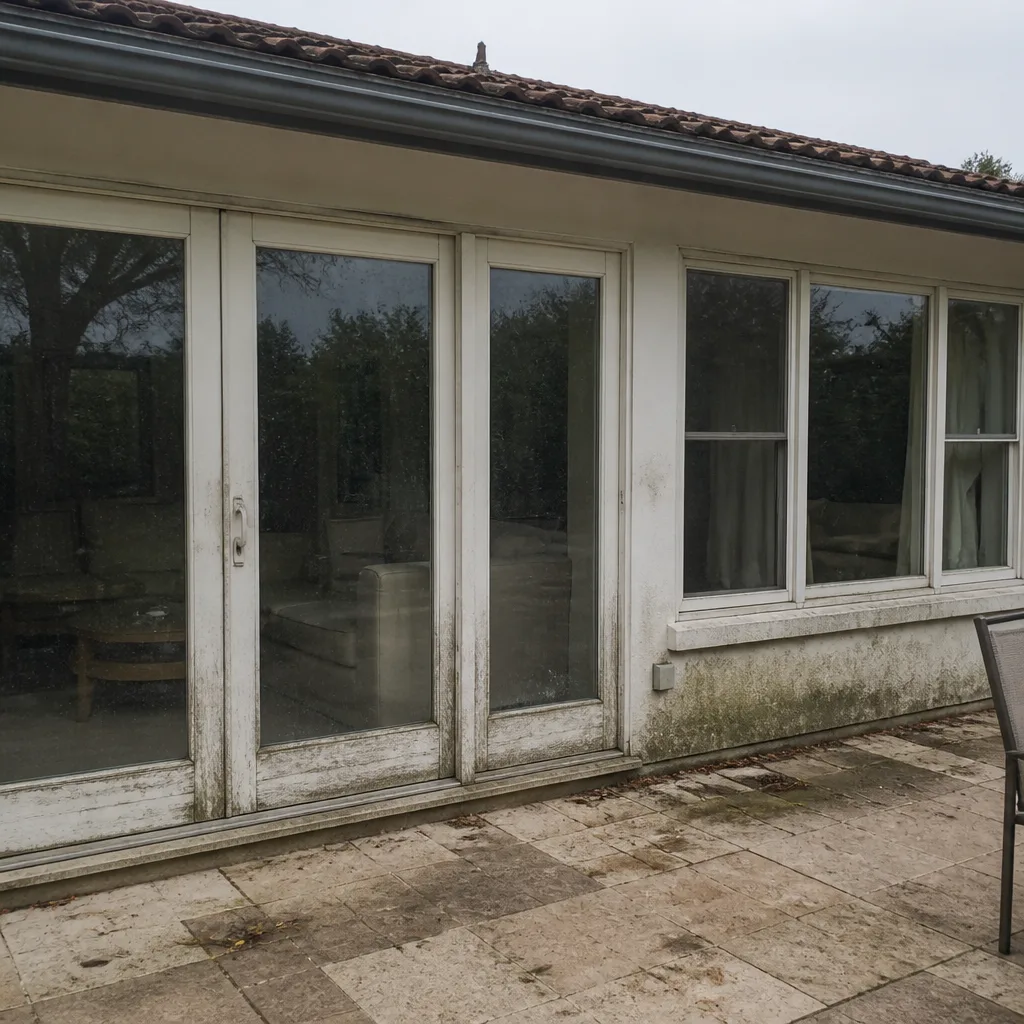 Before
 After
AfterFast, Reliable Sliding & Patio Doors Across South Beach
Replacing a sliding or patio door in South Beach is not a standard swap-out job. The building code here sits inside Miami-Dade’s High Velocity Hurricane Zone, and if your property falls within the Art Deco Historic District, the Historic Preservation Board gets a say in what goes back in. The work has to hold an NOA rating and, on contributing structures, match the original slim steel sightlines, often within a quarter inch. That dual requirement eliminates most off-the-shelf products before you even start. We handle it every week. Call (954) 280-4413 for a free estimate from a crew that knows the South Beach approval path.
Why TruePane Windows & Doors Is South Beach’s Preferred Sliding & Patio Doors Company
TruePane Windows & Doors has been doing this work since 2008 through a craft tradition started by second-generation glazier Dale Kessler. We are not a franchise operation running volume crews through a playbook. We are the company South Beach building owners call when the first contractor quoted a standard aluminum frame and the HPB sent it back. Our technicians are background-checked and uniformed, and they measure every opening twice before anything gets ordered. We quote manufacturer lines side by side on paper so you can see exactly what you are buying, and we register both warranty layers in writing before the truck leaves your driveway.
We answer the phone with a live person 24 hours a day, seven days a week. That matters in South Beach, where a seized sliding door on a Saturday afternoon leaves a condo wide open to salt air and rain until Monday. You will not get a voicemail tree. You will get a person who can schedule the right technician for the building type and the historic review status of your property. Our Sliding & Patio Doors team knows which fabricators can produce NOA-approved slim-profile units and which standard products the Miami Beach HPB will reject. That knowledge is the difference between a permit issued and a red tag on a finished install.
Our Sliding & Patio Doors Services in South Beach
South Beach building stock falls into two rough camps: 1920s to 1940s Art Deco and Mediterranean Revival low-rises, and mid-century high-rise condos lining Collins Avenue north of 15th Street. Each camp needs a different conversation. Here is what we handle most often.
Patio Sliding Doors
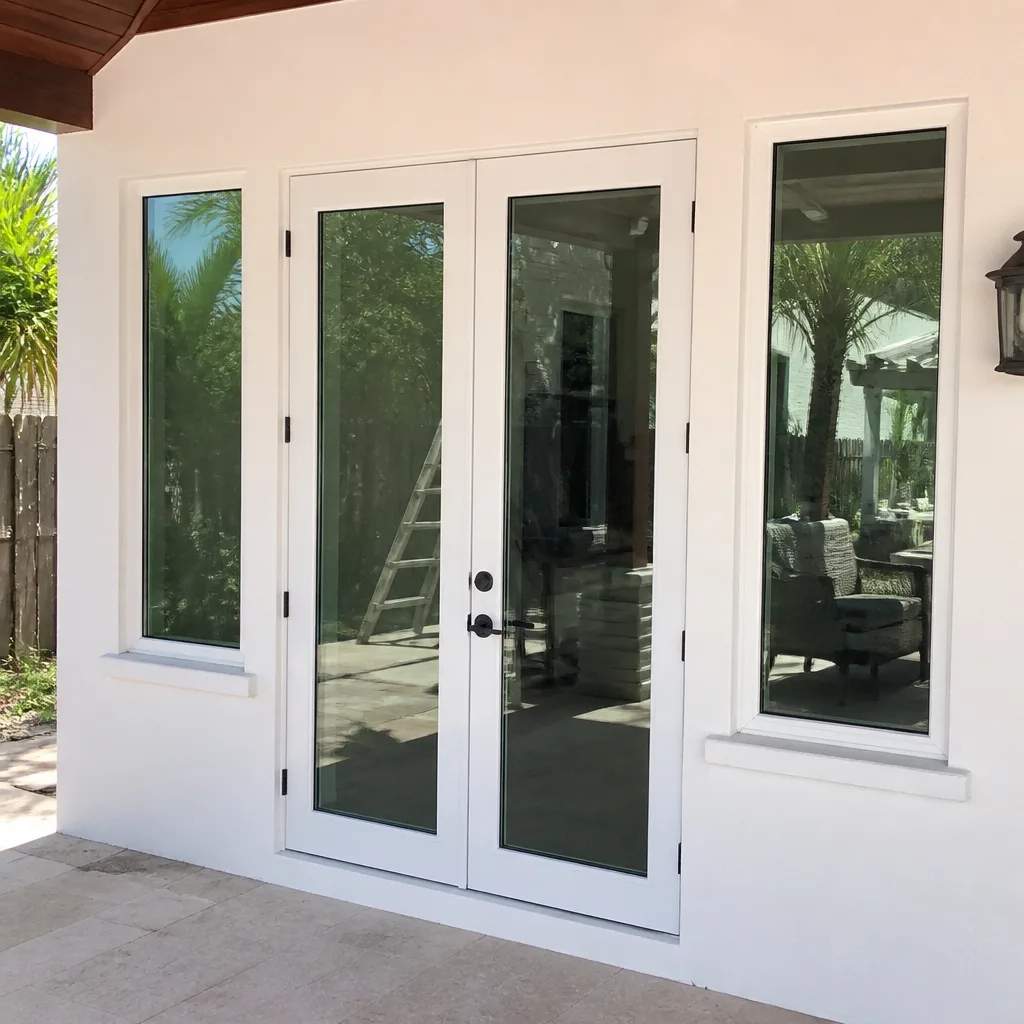
The classic two-panel or three-panel slider remains the workhorse in South Beach condos and courtyard-facing apartments. But the salt air here attacks aluminum tracks and rollers faster than almost anywhere else in Florida. A standard off-the-shelf patio sliding door will work in a non-historic mid-rise if it carries a Miami-Dade NOA and the rough opening is square. In Art Deco contributing buildings, the same opening often needs a custom unit with a narrow sightline. A typical patio sliding door replacement in South Beach runs $1,800 to $4,200 installed, with premium slim-profile steel or thermally broken aluminum pushing toward $6,500.
Panoramic Sliding Systems
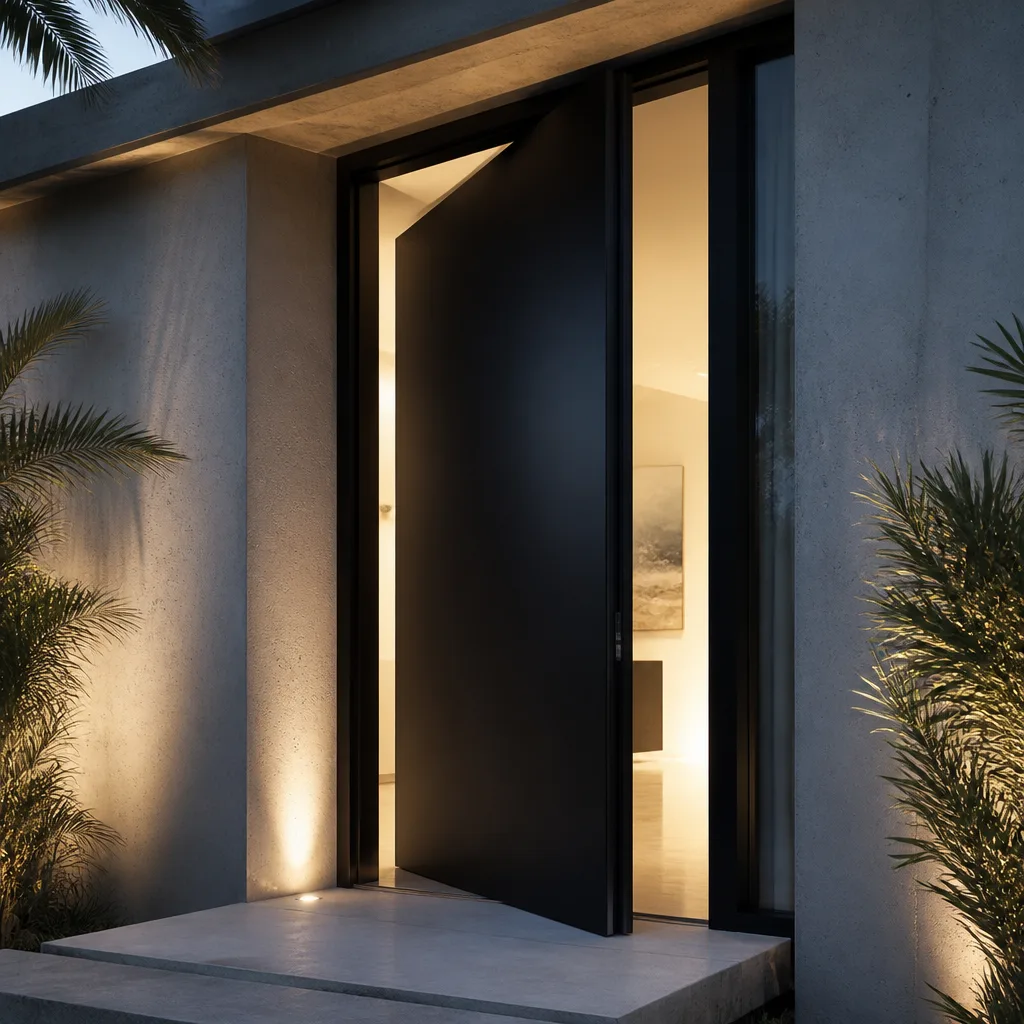
Ocean-facing units on Collins Avenue and along the bay side of West Avenue increasingly use panoramic sliding systems: multi-panel glass walls that stack and pocket to open an entire wall. These systems are beautiful but heavy, and in a hurricane zone every panel must be impact rated and NOA listed. We install multi-track panoramic sliders with stainless steel roller hardware, which matters when salt-laden wind blows off the ocean all season. Expect $1,200 to $2,400 per linear foot for a compliant panoramic system in South Beach, depending on panel count and sightline width.
Heavy-Duty Sliding Doors
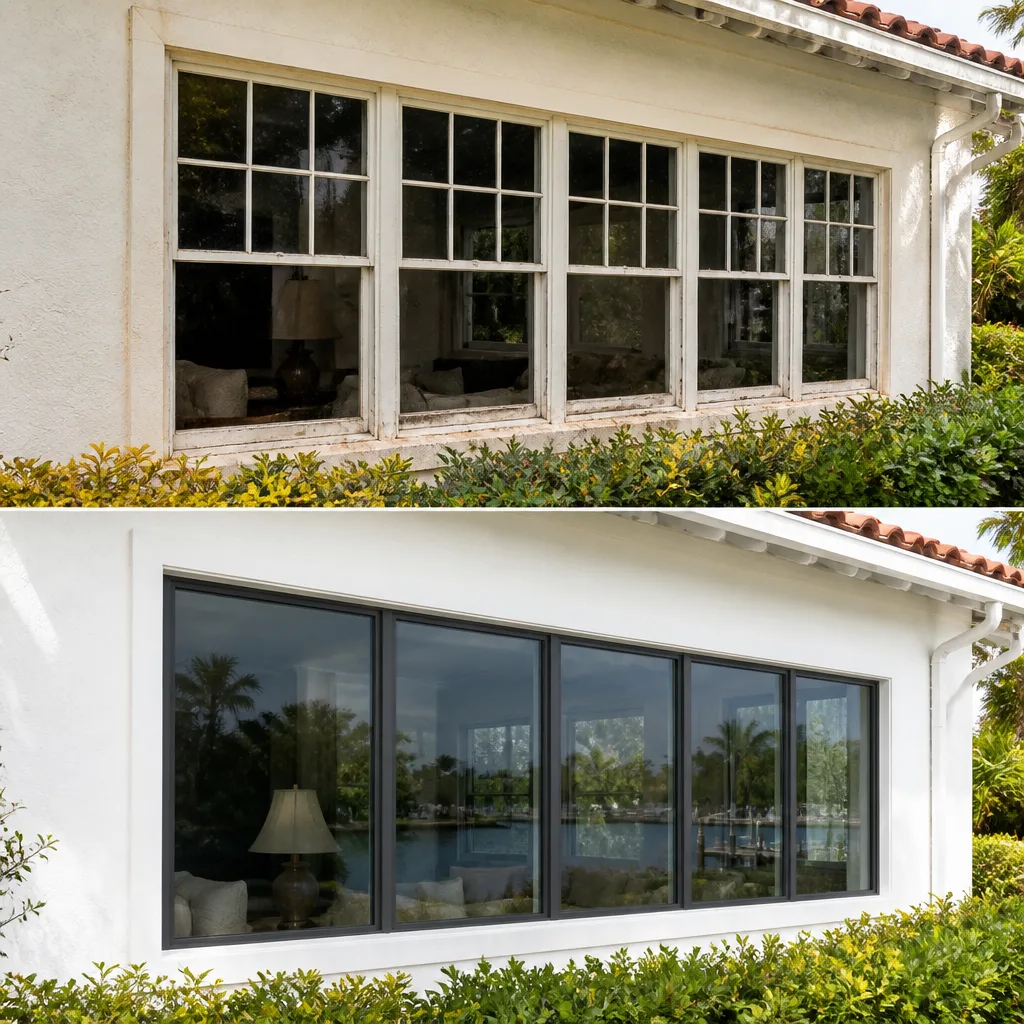
Heavy-duty sliders serve two purposes in South Beach. First, high-rise condos need doors that hold their alignment under constant wind load. Second, first-floor units and commercial storefronts on Washington Avenue or Lincoln Road need hardware that handles daily traffic and occasional abuse. We use reinforced stainless steel tracks, dual roller carriages, and thicker stiles than a standard residential slider. On a historic contributing building, the heavier frame must still read visually as the original narrow steel. That is where custom fabrication comes in. Heavy-duty sliding door replacement in South Beach runs $2,500 to $6,000, more if the HPB requires a steel replica profile.
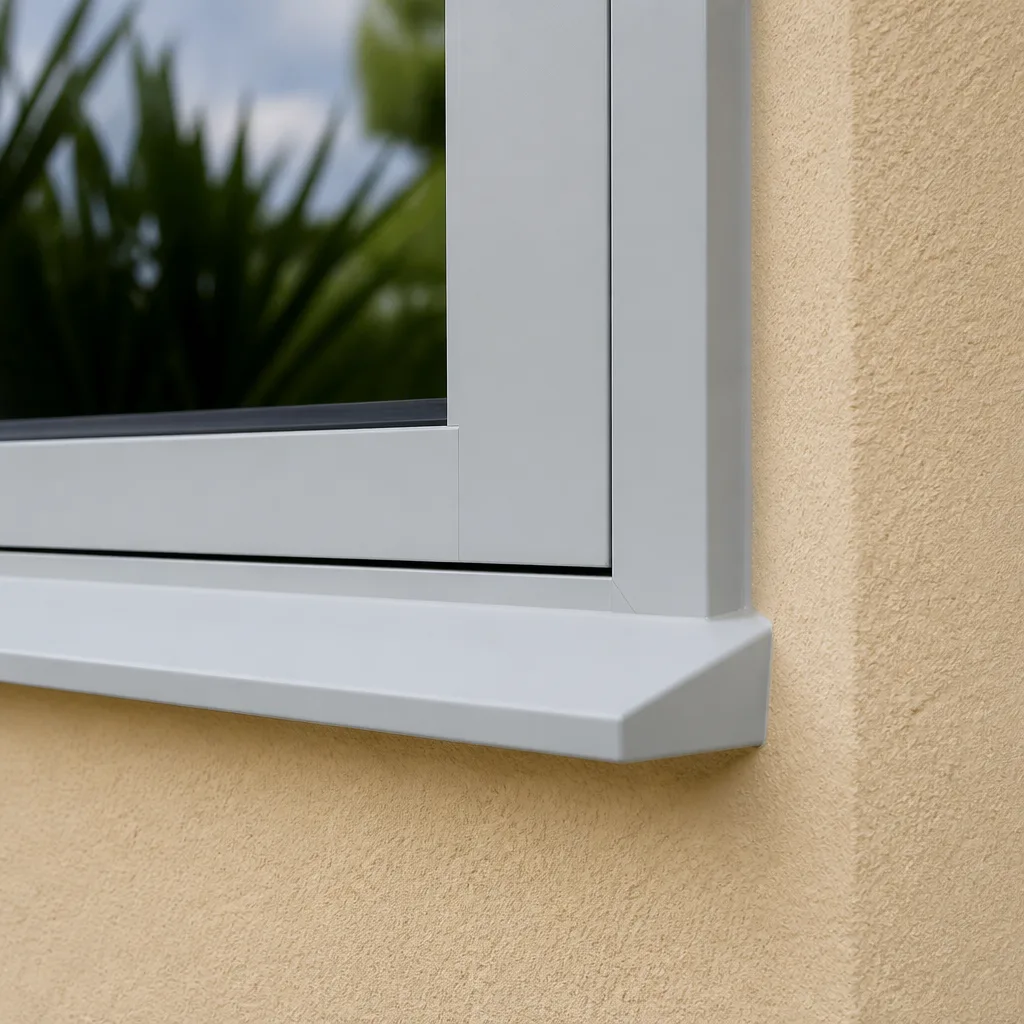
Pocket & Barn Doors
Pocket doors make sense in South Beach’s smaller Art Deco floor plans, where a swinging door eats floor space in a 700-square-foot unit. A true pocket slider disappears into the wall cavity. The intrusion is the wall itself: many 1930s lath-and-plaster walls hide electrical and plumbing unexpectedly. We open walls carefully and reinforce the pocket framing so the door never binds when humidity swells the plaster in July. Barn doors, which ride on a surface-mounted track, suit open-plan renovations and loft-style units. Both are available with impact-rated panels. Pocket door conversion runs $1,400 to $3,200 in South Beach; an impact-rated interior barn door starts around $900 and climbs with panel size.
We also handle screen door installation for sliding openings, including heavy-gauge coastal screen frames that hold up to salt air better than the thin aluminum screens the big-box stores sell.
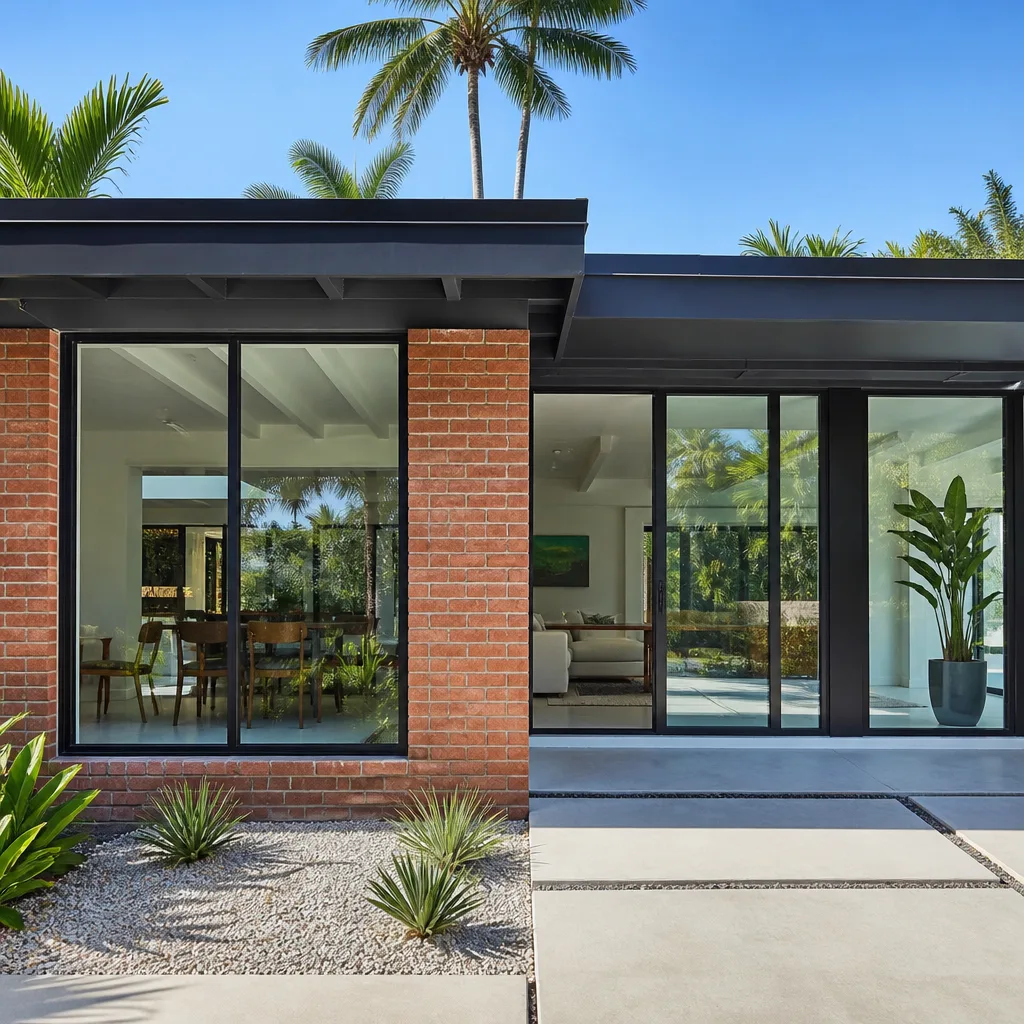
What happens when you call
- 1
A real person answersNo phone trees - you reach a local pro.
- 2
You get an upfront price rangeHonest numbers before anyone is dispatched.
- 3
A background-checked tech heads outLicensed & insured, dispatched right away.
- 4
You approve before work beginsNothing starts until you say go.
Trusted Brands We Service in South Beach
We are an authorized installer for more than a dozen manufacturer lines, including, PGT, and CGI. For South Beach’s historic applications we also work with CWS and ES Windows, two specialty fabricators that produce narrow-sightline impact units the HPB has accepted on contributing buildings. We keep common roller assemblies, track hardware, and lock sets stocked for the brands we install, so a spring repair on a PGT slider in South Beach does not wait a week on a parts order. We quote side by side on paper. You see the product, the NOA number, the warranty durations, and the labor all on one line-item sheet before you sign anything.
Common Sliding & Patio Doors Problems We See in South Beach Homes
- Salt corrosion on tracks and rollers. With the Atlantic on one side and Biscayne Bay on the other, South Beach buildings get salt blasted from two directions. We regularly see aluminum tracks pitted and rollers seized within five years of installation. The fix is stainless steel hardware and regular maintenance, not just a can of lubricant.
- Fogged glass in oceanfront units. Fogging between panes means the seal has failed and the argon fill is gone. On a humid oceanfront elevation in South Beach, that failed unit is no longer doing its thermal job, and condensation will show up on the interior face every summer. Replacement is the honest fix.
- Non-impact doors without NOA paperwork. If your current sliding door went in years ago without a Miami-Dade Notice of Acceptance, it will get red-tagged the moment a code inspector looks at it during any permitted project. That means removal, and probably an insurance claim denial for wind-driven water damage after a storm.
- Doors that bind or jump the rail. South Beach buildings settle and shift, especially the older low-rise Art Deco stock with lime mortar and shallow footings. A door that binds in one corner or jumps its rail during operation usually means the frame is out of square or the rollers are worn unevenly. We measure, square the rough opening, and replace all contact points rather than forcing a misaligned panel.
Pricing for Sliding & Patio Doors in South Beach, FL
Here are the ranges we quote most often in South Beach, including materials, installation labor, and the permit-ready documentation:
- Standard NOA impact patio slider (non-historic building): $1,800-$4,200
- Slim-profile or custom steel impact slider (Art Deco contributing building): $4,000-$8,500
- Panoramic sliding system: $1,200-$2,400 per linear foot
- Heavy-duty commercial or high-rise slider: $2,500-$6,000
- Pocket door conversion: $1,400-$3,200
- Screen door for sliding opening: $250-$700
What moves the price is sightline width, whether the unit must be custom fabricated rather than stock, and whether your building is a contributing historic structure. On Art Deco buildings the HPB review itself adds time but not much direct cost; the cost is the specialty product. A cheap quote that leaves out the NOA paperwork, the HPB certificate of appropriateness, or the custom sightline match is not a lower price. It is a removed door with no permit and no insurance coverage. Call (954) 280-4413 for a free, written estimate that includes all of it.
We Also Serve Cities Near South Beach
Our Sliding & Patio Doors in South Beach crews also serve Acacia Villas, Alafaya, Altamonte Springs, and Altoona. If you are a few blocks outside the historic district or a short drive north, the same code knowledge and product access applies. Call us and tell us your address. We will tell you whether your building falls under HPB review before we ever schedule a measure.
Serving South Beach, FL - Our Local Coverage Area
We’re based in the South Beach area and know this community well. Use the map below to see our service coverage - if you’re nearby, we can almost certainly help.
FAQs - Sliding & Patio Doors in South Beach
Yes. Every replacement window or door in South Beach must carry a Miami-Dade Notice of Acceptance, no exceptions. The Historic Preservation Board’s review is additional, not instead of. On contributing buildings, the HPB cares about exterior appearance: sightline width, frame profile, color, and material. The NOA cares about structural and impact performance. You need a product that satisfies both reviews. Call (954) 280-4413 and we can tell you which product lines have already cleared both.
It includes the Miami-Dade NOA number for the specific door, proof of the HPB certificate of appropriateness if your building is contributing, the measured sightline spec, both manufacturer warranty layers in writing with durations stated, and a line-item labor figure. A cheap quote typically lists a stock aluminum impact door and assumes it passes. It will not, and the owner eats the cost of removal, restocking, and redoing the permit package. If a quote does not mention the HPB at all and your building is on the Miami Beach historic register, that is a red flag.
Because the original steel casement sightlines on 1930s and 1940s contributing buildings measure roughly 1 to 1.5 inches. Most stock NOA-approved aluminum frames run 2.5 to 3 inches. The Miami Beach HPB rejects that difference as historically incompatible. You need a slim-profile or custom steel impact unit from a specialty fabricator like CWS or ES Windows. Those products exist, they carry NOA approvals, and they cost more than the stock alternative. On Euclid Avenue in the Flamingo Park historic neighborhood, our crew replaced a corroded non-impact sliding patio door on a 1939 Art Deco apartment whose original steel casement sightlines measured just 1.25 inches. We installed a custom slim-profile steel impact-rated sliding unit with Miami-Dade NOA approval, matching the narrow jamb and sightline exactly while upgrading to low-E glass with argon fill, and coordinated the HPB certificate of appropriateness before permitting. That is the standard.
It is the difference between a check and a denial. If your sliding door carries a current NOA and both warranty layers are registered in writing, your insurer has what they need to process a wind or water claim tied to that opening. If the door is non-impact or the paperwork is missing, the insurer will typically deny wind-driven water damage because the opening was not compliant at the time of the storm. In South Beach, where every permitted replacement legally requires impact-rated glazing, there is no gray area. We register both warranty layers before the truck leaves your driveway, and we document the NOA on the quote and the invoice.
In a non-historic building, the path is a building permit, a Miami-Dade NOA product approval, one rough-opening inspection, and a final frame and glazing inspection. In a contributing building inside the Art Deco Historic District, you add the HPB certificate of appropriateness before the permit is issued. The HPB reviews the product spec, the sightline width, the frame material, and the color. Expect three to six weeks of review time depending on the board schedule. We handle that paperwork as part of the job. If a contractor tells you the HPB step is optional, walk away and call us at (954) 280-4413.
Written by Dale Kessler, Owner at TruePane Windows & Doors, serving South Beach.
Six Reasons Homeowners Choose TruePane Windows & Doors
Impact systems engineered to design pressures up to +/-100, matched to your wind zone - your openings hold when the storm arrives.
Low-E insulated impact glass from our manufacturer lines commonly cuts monthly cooling bills 20-30%.
Laminated impact glass shuts out up to 40% of outside noise - traffic, neighbors, weather.
Monitoring services run $30-90 a month. Laminated impact glass resists forced entry around the clock, with no subscription.
Florida homeowners average around 25% savings on the windstorm portion of their policy after protecting every opening - some homes qualify for more.
A full impact package upgrades curb appeal, buyer confidence and appraised value in one project.