
Free in-home measure and quote - PGT, CGI and CWS impact lines compared on your actual openings, style by style
Sliding glass doors
Impact garage doorsPGTCGI
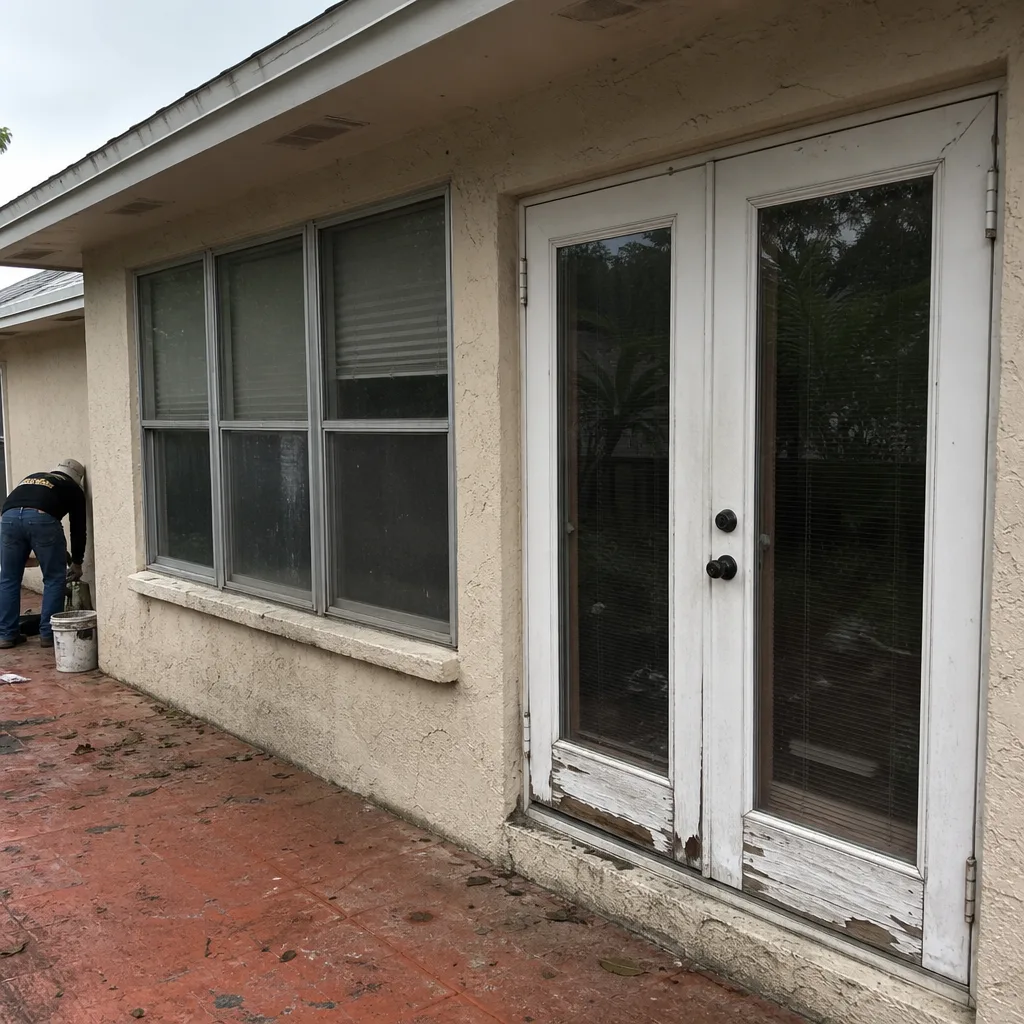 Before
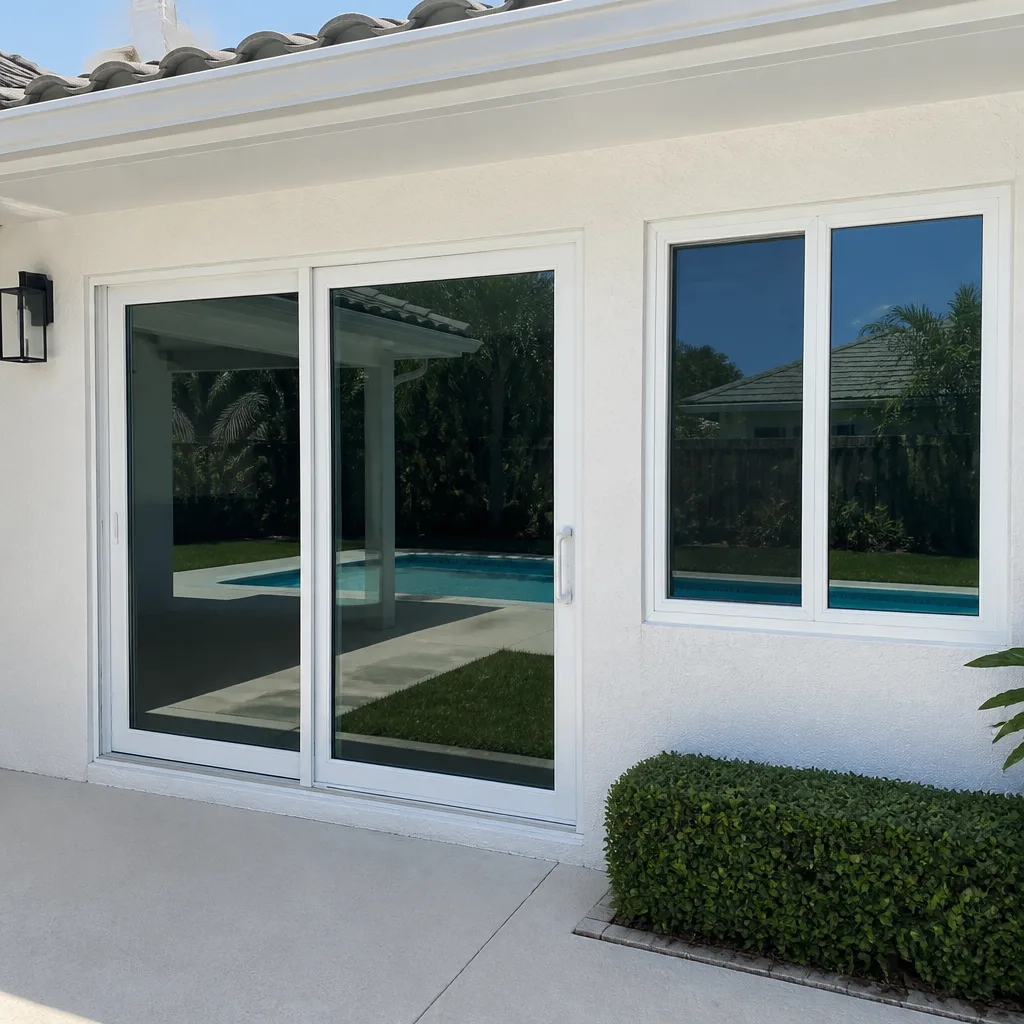 After
After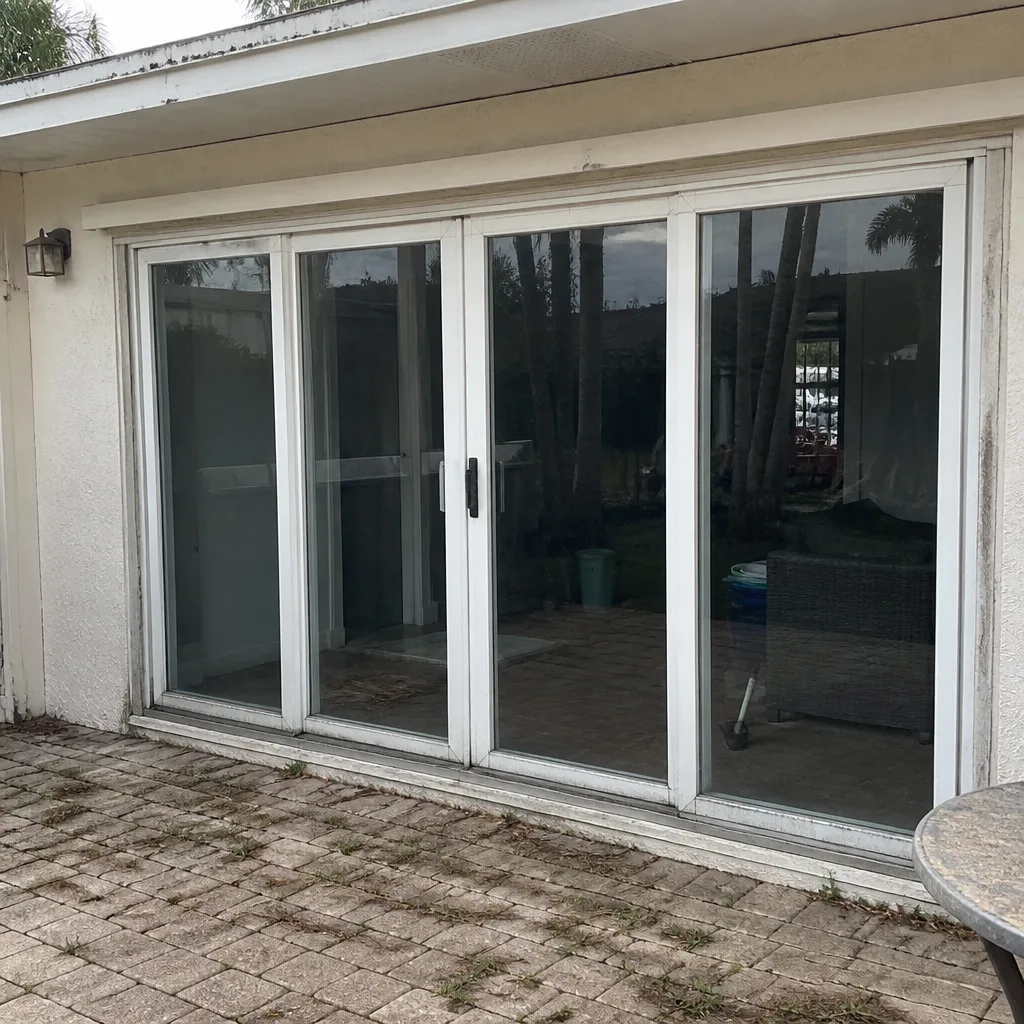 Before
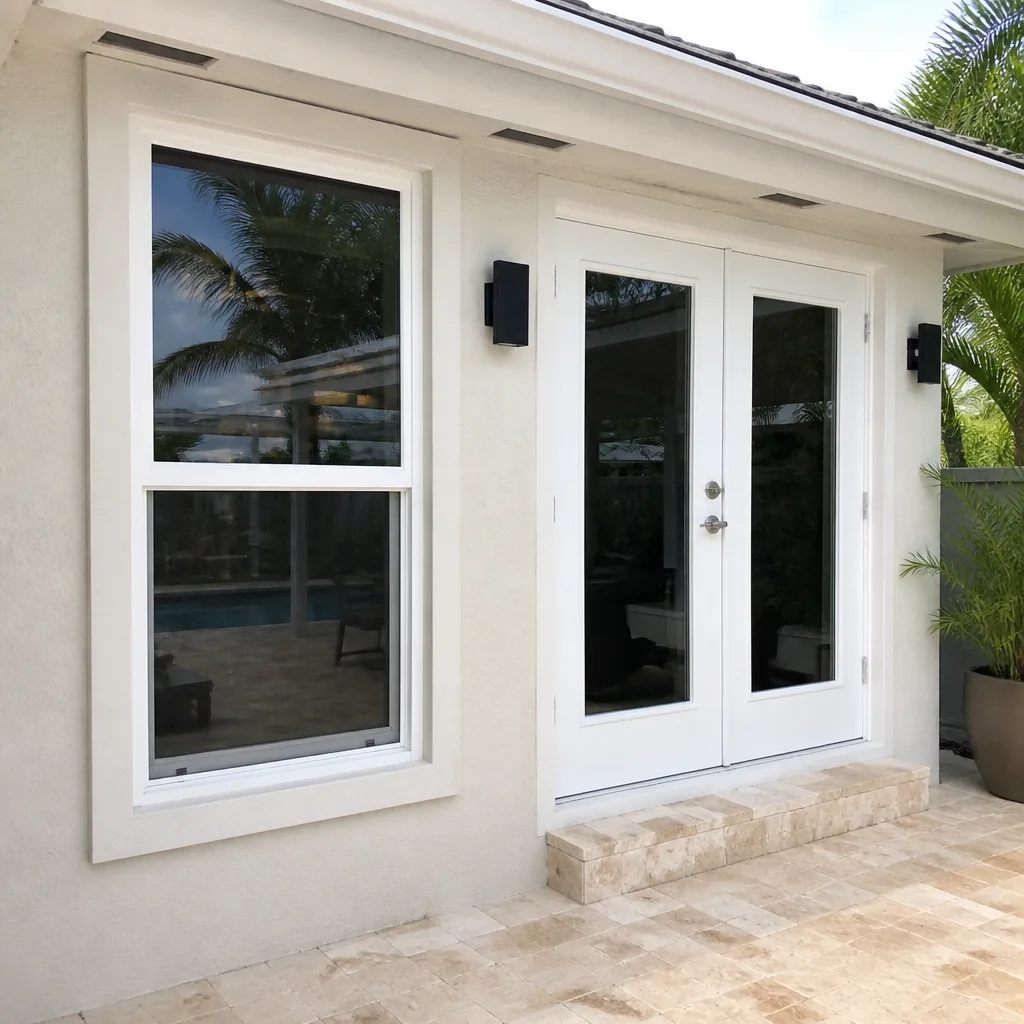 After
After Before
 After
AfterCGI Windows & Doors in St. Leo, FL | TruePane Windows & Doors
We provide independent CGI service across St. Leo, from the abbey-side masonry buildings to the modest ranch homes off the main drive. The one thing that makes our CGI work here different is the masonry itself: thick concrete-block and brick pockets from the 1880s require custom measurement, specialized anchor embedment, and a respect for historic sightlines that tract-home crews never develop. TruePane Windows & Doors has spent years servicing CGI units on Saint Leo University’s campus, and we handle repairs, glass packs, and full-frame replacements with OEM parts where available. Call (954) 280-4413 for a free estimate on any St. Leo Window Installation or door in St. Leo.
Why St. Leo Residents Choose Us for CGI Service
Most window crews in Pasco County cut their teeth on vinyl replacements in wood-frame subdivisions. That experience does not transfer to a two-story brick monastery annex where the original steel casement is mortared into 18-inch block. We have spent years working those exact buildings, and Dale Kessler, our owner, learned the trade measuring twice before anything touched a truck. When a CGI unit fails on a St. Leo building, you need someone who knows the product line, understands masonry anchor loads, and will not treat a historic opening like a standard cutout. That is what we do. We are an independent service provider, not a manufacturer affiliate, so our first loyalty is to the building and the owner, not to a parts quota. If a repair makes sense, we say so. If the frame has to come out, we say that too, and we explain why in plain terms before any work starts.
Common CGI Windows & Doors Problems We Solve in St. Leo
- UV-brittle framing seals on south-facing campus units. On unshaded masonry walls, intense central-Florida sun bakes the frame corners, and we regularly see thermal break delamination where the seal has gone brittle and pulled away. That is not a coastal corrosion issue. It is an inland UV exposure issue, and it is common on St. Leo buildings with full southern exposure.
- Masonry anchor failure on original steel-to-CGI casement replacements. When a previous contractor did not fully prep the block pockets, anchors lose their bite over time. We see this on older campus buildings where someone swapped steel for CGI without setting epoxy properly. The window looks fine until wind loads stress the frame, and then the whole unit shifts.
- Condensation between panes from daily thunderstorm humidity cycling. St. Leo sits on the inland ridge, away from salt spray, but summer storms still push humidity through daily cycles. When weep systems clog with red cedar pollen from campus landscaping, moisture has nowhere to drain, and the glass pack starts to fog. This is one of the most common calls we take in June through September.
- Sagging sash or cracked bead corners on wide picture units. Unshaded picture windows on masonry walls absorb mid-day heat, and the aluminum expands and contracts daily. Over years, the corners fatigue. On chapels and monastery glazing, those wide CGI Architectural Series fixed units carry the most stress.
- Sliding glass door track wear on mid-century ranch retrofits. The handful of ranch homes in St. Leo that were fitted with CGI Estate sliding doors show predictable track and roller wear after twenty-plus years. Daily use plus humidity creates fine grit in the track, and the rollers grind down. Usually a roller replacement and track realignment brings it back, and we stock what is needed.
CGI Service in St. Leo: What Local Conditions Mean for Your Equipment
The 1880s-era abbey-side campus buildings are the only structures in Pasco County where code-compliant CGI casement replacements must be custom-sized to fit thick concrete-block or brick pockets with original steel lintels still intact. This is a measurement and anchor-embedment task that never occurs in Zephyrhills or Dade City. A standard CGI casement comes in stock dimensions meant for wood-frame walls. On the St. Leo abbey buildings, the rough openings are not standard. Some are 18 inches deep through solid block. Some have non-standard radius tops. Some original steel lintels carry the load above and cannot be disturbed without shoring. When we measure for a CGI Estate Casement on those buildings, we take every axis twice, including depth, because a unit that is too shallow will not seat against the interior trim line, and a unit that is too deep will push the frame out past the exterior wall face. Then we specify anchor points that work with the existing masonry, not against it. That is the difference between a window that stays square for twenty years and one that starts binding in the first season.
CGI Models & Products We Service in St. Leo
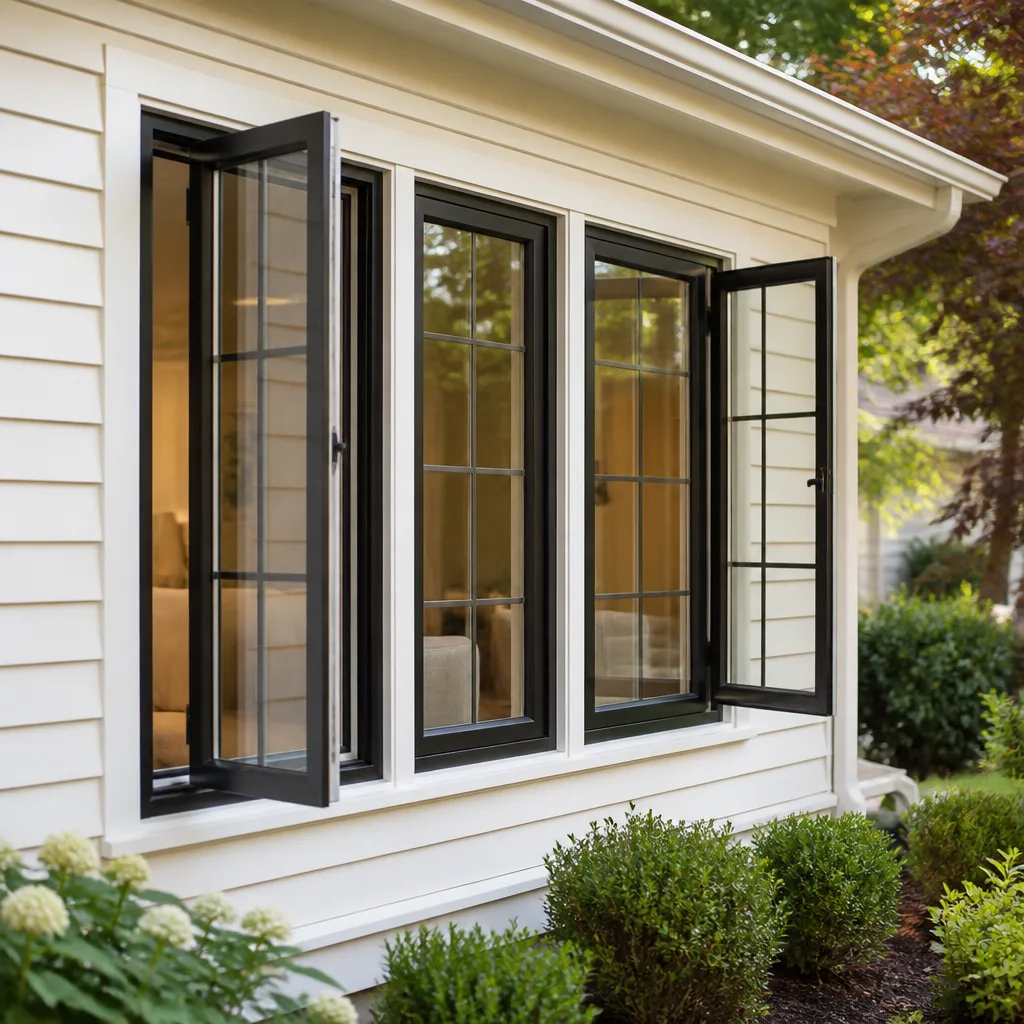
We service the CGI units we actually see on St. Leo buildings. That includes CGI Estate Casement windows, which are the workhorse on abbey-side replacements; CGI Estate Double Hung windows, common on later dormitory renovations; CGI Architectural Series fixed and picture windows, used for chapel and monastery glazing; and CGI Estate sliding glass doors, still found on a few mid-century ranch homes near campus. For parts, we use OEM CGI hardware, anchors, and replacement sashes whenever the unit is still in production. For long-discontinued CGI models from the 1990s or early 2000s, we source manufacturer-specified aftermarket anchors and marine-grade hardware rather than patching framing with whatever is on the shelf. Dale Kessler’s rule applies here as much as anywhere: if it is not right on paper, it will not be right on the wall. If you are not sure which CGI line you have, call (954) 280-4413 and describe the window. We will tell you what we are likely dealing with before we even schedule the visit. And if you are in the market for CGI sales & service rather than repair, we can quote new units side by side on paper so you see exactly what you are buying.
CGI Service Pricing in St. Leo
Repair pricing in St. Leo runs on the same structure we use across our service area, but masonry work adds a variable. A basic glass pack replacement, roller swap, or weatherseal refresh is straightforward. Anchor repair on an abbey-side casement where block pockets need re-prep is a different job, and we price it honestly up front. Here is what you can expect:
- Service call and diagnostic: $89-$145, applied to the repair if you proceed.
- Glass pack replacement on a standard CGI sash: $220-$480, depending on size and glass type.
- Sash or roller replacement: $160-$350 per unit.
- Anchor repair or re-embedment on masonry openings: $400-$900, depending on access and the number of anchors.
- Full-frame custom CGI replacement on a historic masonry pocket: quoted per opening after measurement, and we walk you through the line items before you sign anything.
Every estimate is free, and it includes the measured dimensions, the parts we will use, and the labor breakdown. No surprise line items on the bill. Call (954) 280-4413 for an exact quote on your CGI unit.
Serving St. Leo, FL - Our Local Coverage Area
We’re based in the St. Leo area and know this community well. Use the map below to see our service coverage - if you’re nearby, we can almost certainly help.
FAQs - CGI Windows & Doors in St. Leo
Yes. St. Leo sits outside the coastal wind-borne debris region, so most projects require code-compliant tempered or laminated glazing rather than full impact-rated units. A properly specified CGI casement installed with correct masonry anchors meets the inland wind-load requirements in the current code. We verify the calculations with the manufacturer before ordering. Call (954) 280-4413 and we will walk through what the code requires for your specific building.
Everything about the opening. Wood-frame walls are forgiving; masonry is not. The pocket depth, the condition of the original lintel, the anchor embedment pattern, and the interior trim line all have to be measured and accounted for. When we pulled a corroded original steel casement from a two-story brick monastery annex facing the abbey atrium, we found the rough opening fully mortared into 18-inch block with a non-standard radius top. We field-measured every axis, sourced a custom-sized CGI Estate casement with a daylight opening matching the original sightlines, and used four expansion anchors per frame leg with epoxy-set masonry thread rods to keep wind-load transfer continuous, reusing the building’s original interior wood trim after renovation. That is not a one-size-fits-all job.
It depends on the frame condition. If the existing CGI frame is square and only the glazing is damaged, we repair or replace the glass pack. If the frame has masonry engagement failure, cracked corner joints, or frame build-up beyond tolerances, we recommend full-frame replacement, especially on load-bearing abbey walls where the frame is part of the opening’s structural envelope. We will show you the measurements and let you decide with the numbers in front of you.
The difference is usually orientation and drainage. Frames on shaded or north-facing walls hold their finish much longer. Frames on south-facing unshaded walls sit in direct UV for hours a day, and water from daily thunderstorm humidity cycles across the face. Over time, the finish breaks down and oxidizes. Shiny frames on the same building simply have not been exposed the same way. We can assess whether the oxidation is cosmetic or structural. If it is cosmetic, a clean and re-coat may be enough. If the frame is pitting or the seals are compromised, replacement is the honest call.
Yes. This is one of the most common requests we handle on campus. The original steel casements have a sightline profile that is difficult to replicate with standard aluminum extrusions, but CGI’s custom sizing protocol allows us to specify divided-light patterns that read correctly from both the interior and exterior. We match the daylight opening to the original, keep the muntin bars in proportion, and use laminated glazing where the code requires it. The building keeps its historic character, and the window performs to current standards.
Service Areas Near St. Leo
We work throughout St. Leo and the surrounding Pasco County communities, including Acacia Villas, San Antonio, Dade City, and Zephyrhills. We also handle St. Leo service area calls for homeowners who want local, no-hassle scheduling. For customers further out, we provide CGI service in St. Lucie Village and CGI service in St. Pete Beach through the same crew and the same standard.
Book Your CGI Service in St. Leo Today
If you have a CGI window or St. Leo Door Installation that is binding, fogging, or shifting in its opening, we will take the call and give you a straight answer. Service in St. Leo is scheduled around your building’s access, not our convenience, and the estimate is free. Call (954) 280-4413.
Written by Dale Kessler, Owner at TruePane Windows & Doors, serving St. Leo since 2008.
Six Reasons Homeowners Choose TruePane Windows & Doors
Impact systems engineered to design pressures up to +/-100, matched to your wind zone - your openings hold when the storm arrives.
Low-E insulated impact glass from our manufacturer lines commonly cuts monthly cooling bills 20-30%.
Laminated impact glass shuts out up to 40% of outside noise - traffic, neighbors, weather.
Monitoring services run $30-90 a month. Laminated impact glass resists forced entry around the clock, with no subscription.
Florida homeowners average around 25% savings on the windstorm portion of their policy after protecting every opening - some homes qualify for more.
A full impact package upgrades curb appeal, buyer confidence and appraised value in one project.