
Free in-home measure and quote - PGT, CGI and CWS impact lines compared on your actual openings, style by style
Sliding glass doors
Impact garage doorsPGTCGI
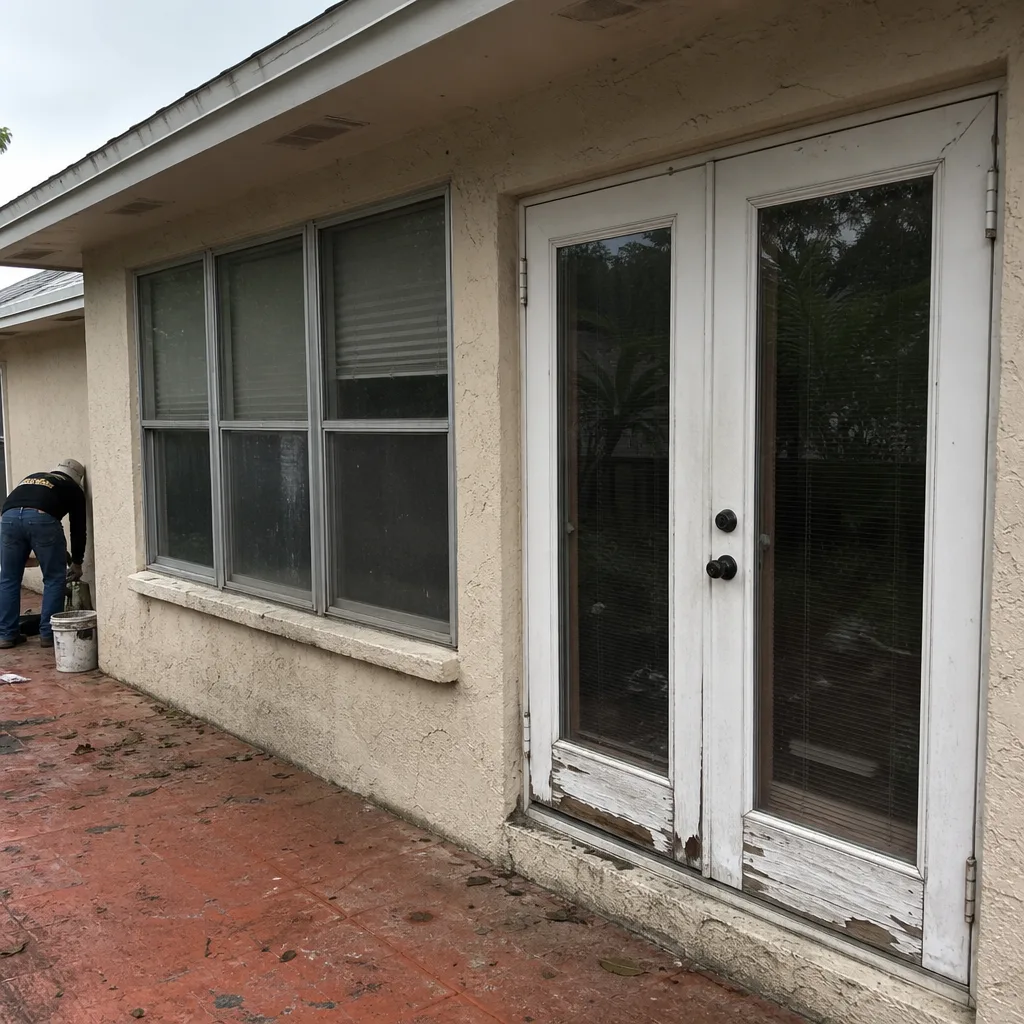 Before
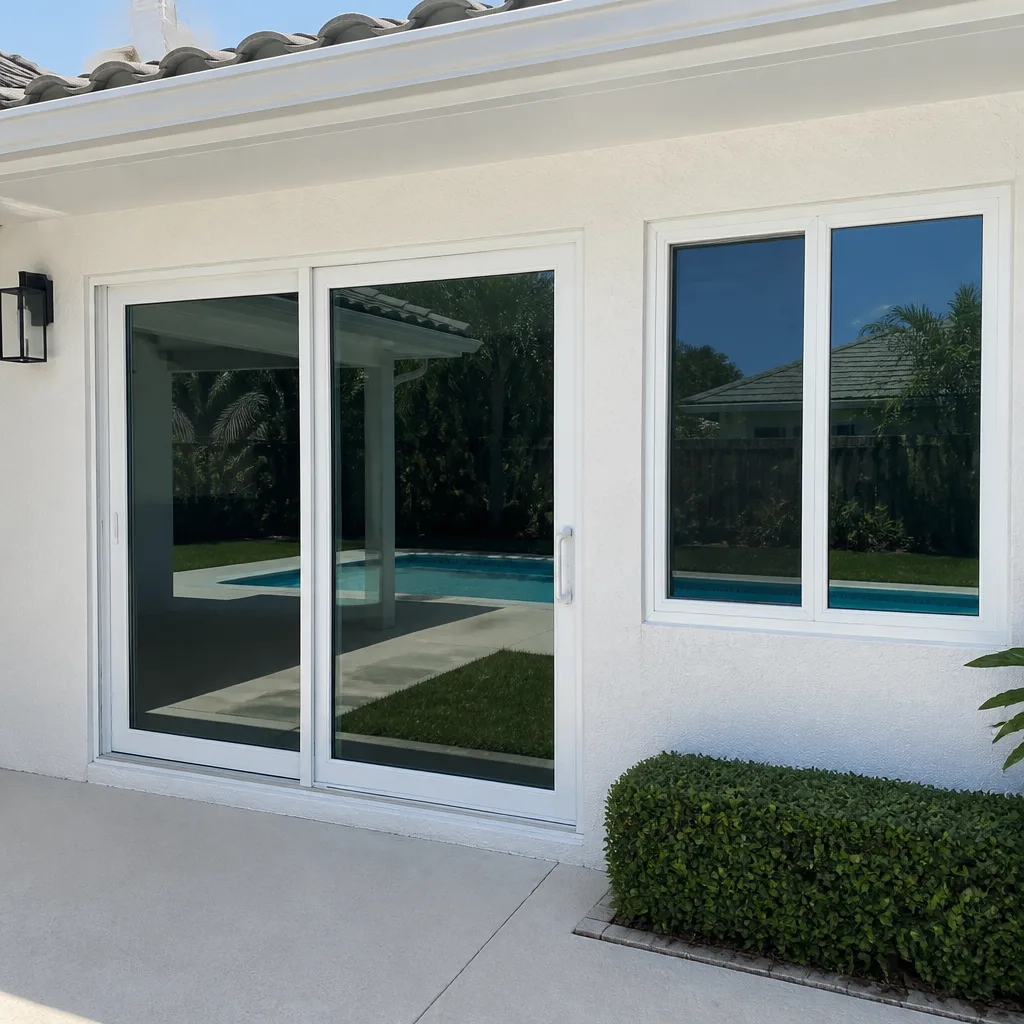 After
After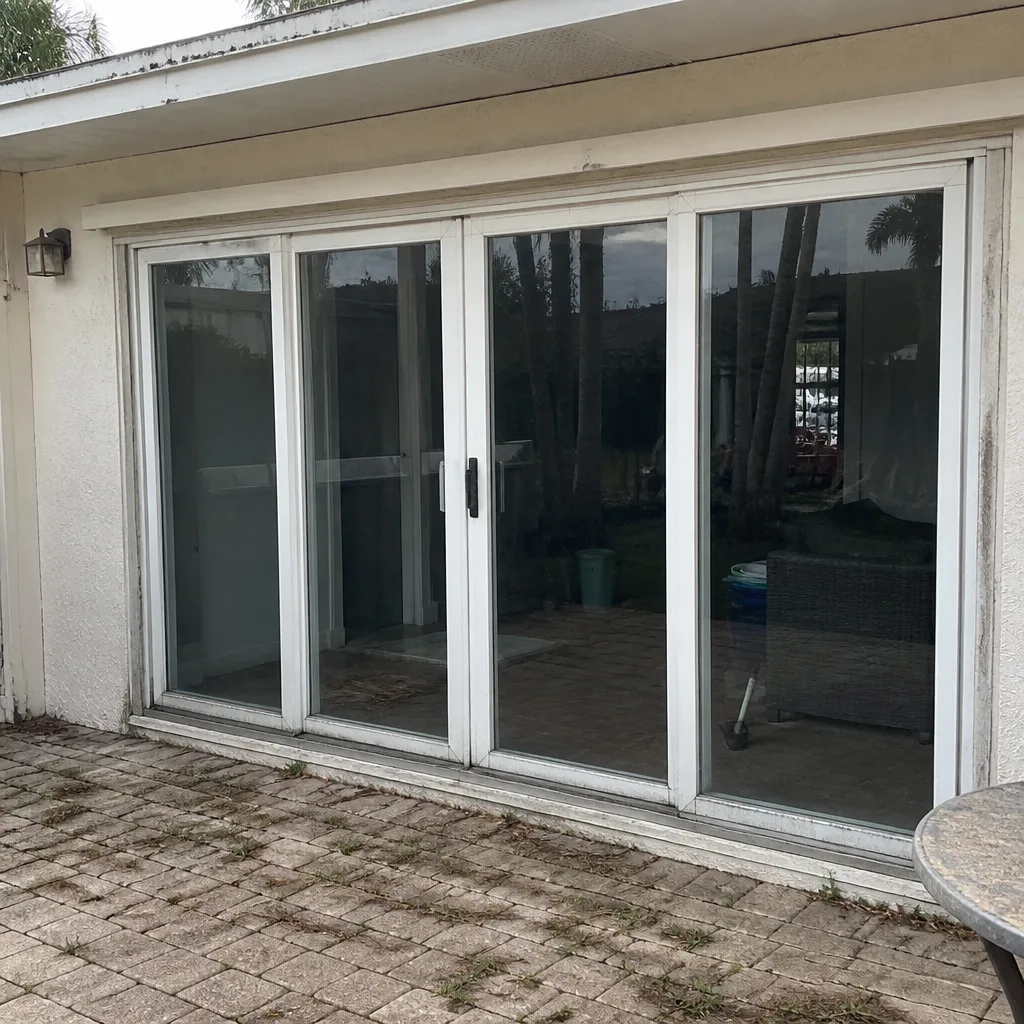 Before
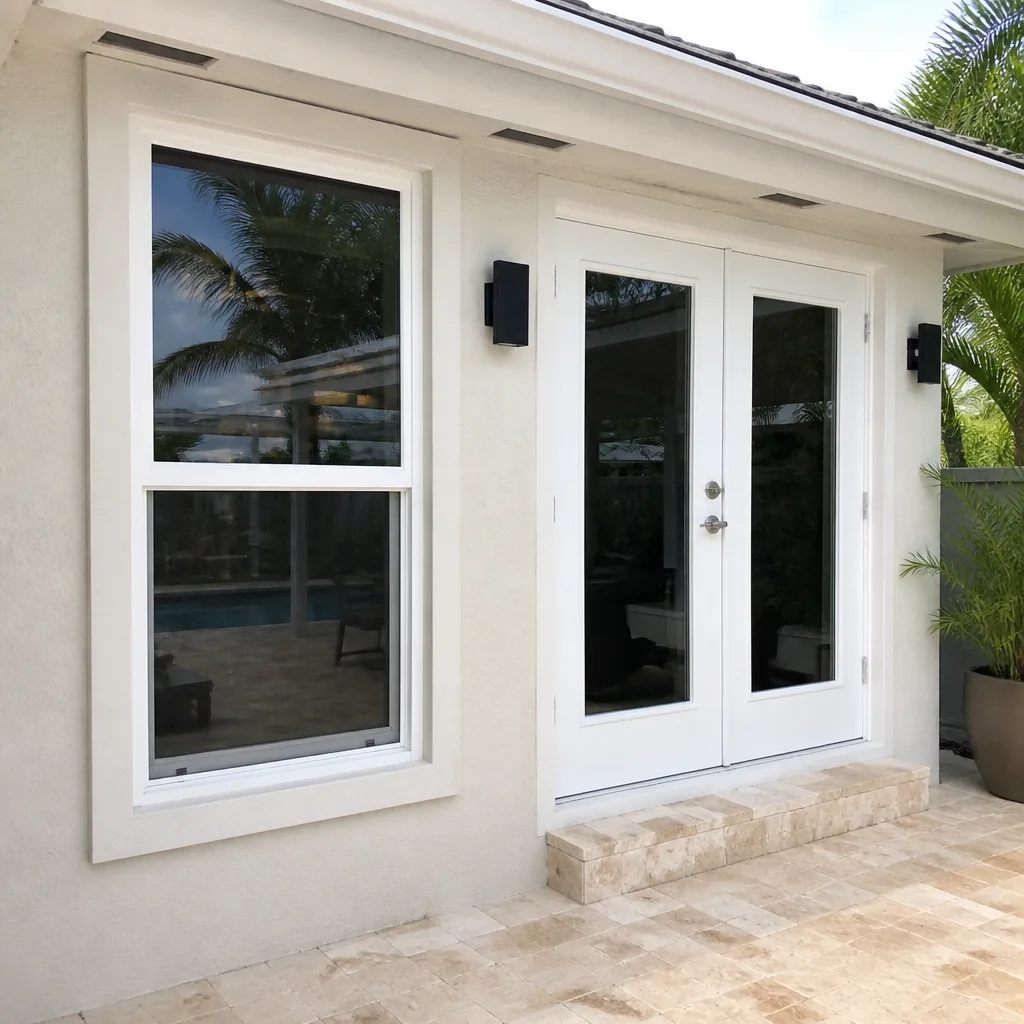 After
After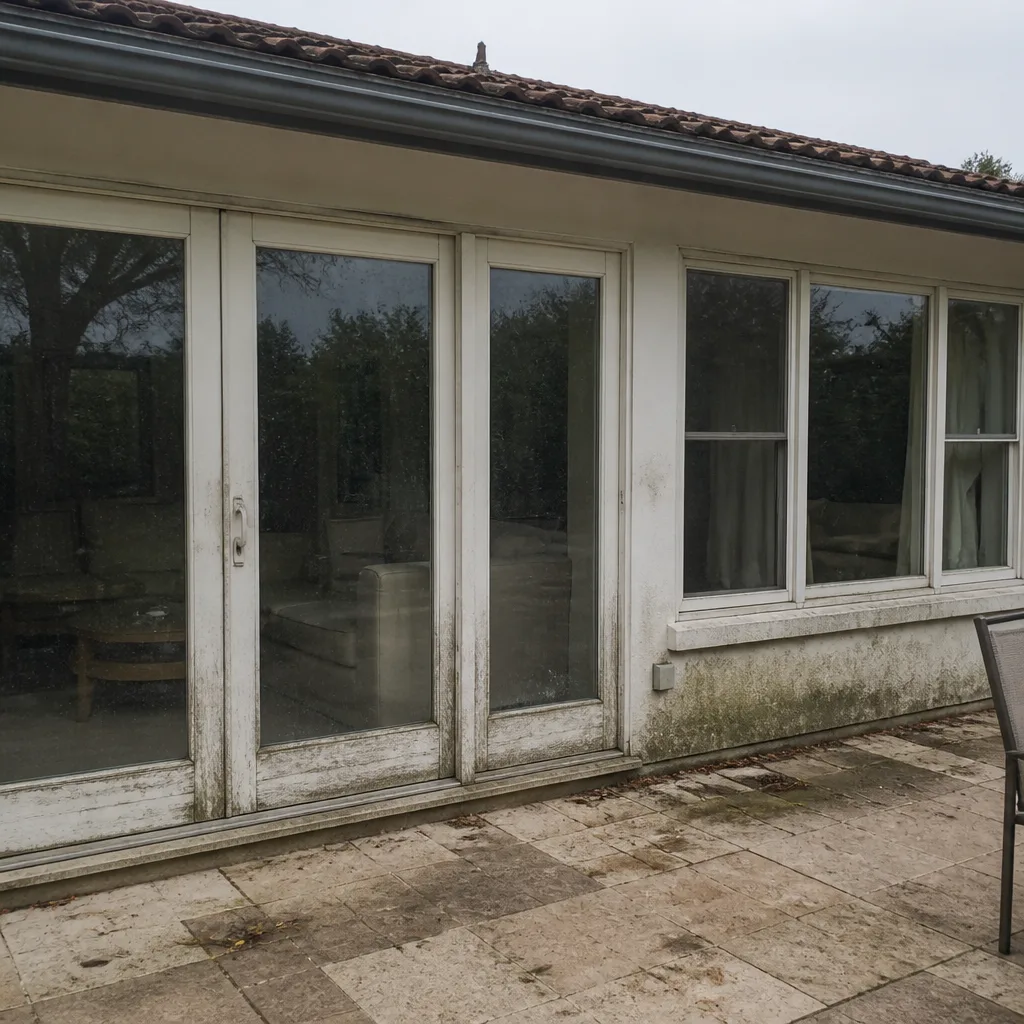 Before
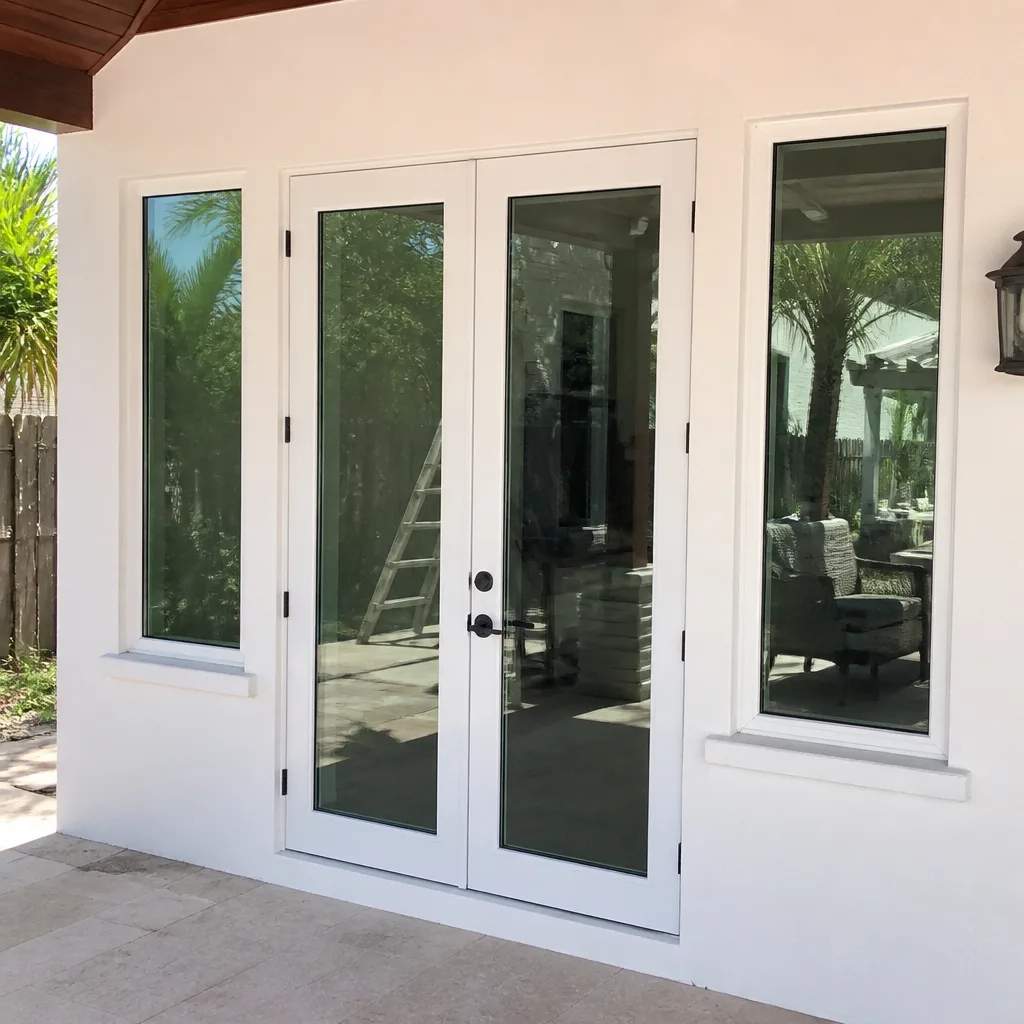 After
AfterFast, Reliable Energy-Efficient Windows Across Miami
Energy-efficient window replacement in Miami typically runs $850-$1,400 per opening for a standard double-pane low-E unit with argon fill, installed. But Miami pricing is not like pricing in Tampa or Orlando. We have to account for Miami-Dade County’s High Velocity Hurricane Zone (HVHZ) code, which requires a Notice of Acceptance (NOA) on every window product we install. That changes the spec sheet, the anchoring method, and the warranty picture before we ever put a pane in the rough opening.
TruePane Windows & Doors has been handling Window Installation in Miami long enough to know which pre-1992 CBS houses still have original jalousie glass and which subdivisions were built with subsill bucks that never met current wind-load schedules. We measure every opening twice, quote manufacturer lines side by side on paper, and register both warranty layers before the truck leaves the driveway. Call (954) 280-4413 for a free estimate.
Why TruePane Windows & Doors Is Miami’s Preferred Energy-Efficient Windows Company
Dale Kessler founded TruePane in 2008 on a rule that still governs every install: if the pane is not true, the job is not done. We are a second-generation glazier operation, not a franchise playbook, and we staff Miami jobs with background-checked, uniformed technicians who work in a customer’s home the way they would work in their own mother’s.
Our Energy-Efficient Windows team operates out of our Miami (South FL) office, so scheduling and dispatch are handled locally, not through a regional call center. A live person answers the phone 24 hours a day, 7 days a week. When you call about fogged glass in Coral Gables or a failed seal in Kendall, you are talking to someone who knows the difference between a PGT and a CGI product approval number without having to look it up.
We have earned a strong local reputation across Miami by doing the unglamorous work correctly: replacing jalousie windows in Hialeah, re-anchoring subsill bucks in Westchester, and registering both manufacturer warranty layers in writing for homeowners in the Roads and Shenandoah. The Done Right Promise covers every job. If it is not done right, we make it right. No paperwork, no arguing.
Our Energy-Efficient Windows Services in Miami
Low-E & Argon Gas Glass
Low-emissivity coatings are the single biggest energy upgrade for Miami homes because they reflect radiant heat from the sun while letting visible light pass through. A double-pane unit with low-E glass and argon gas fill cuts solar heat gain enough to make a measurable difference on a July FPL bill. In Miami’s salt-laden air, we recommend marine-grade anodized or painted frames within a mile or two of Biscayne Bay or the Atlantic, because standard aluminum corrodes at the weep holes within a few years and that is what causes most fogged insulated glass units we see.
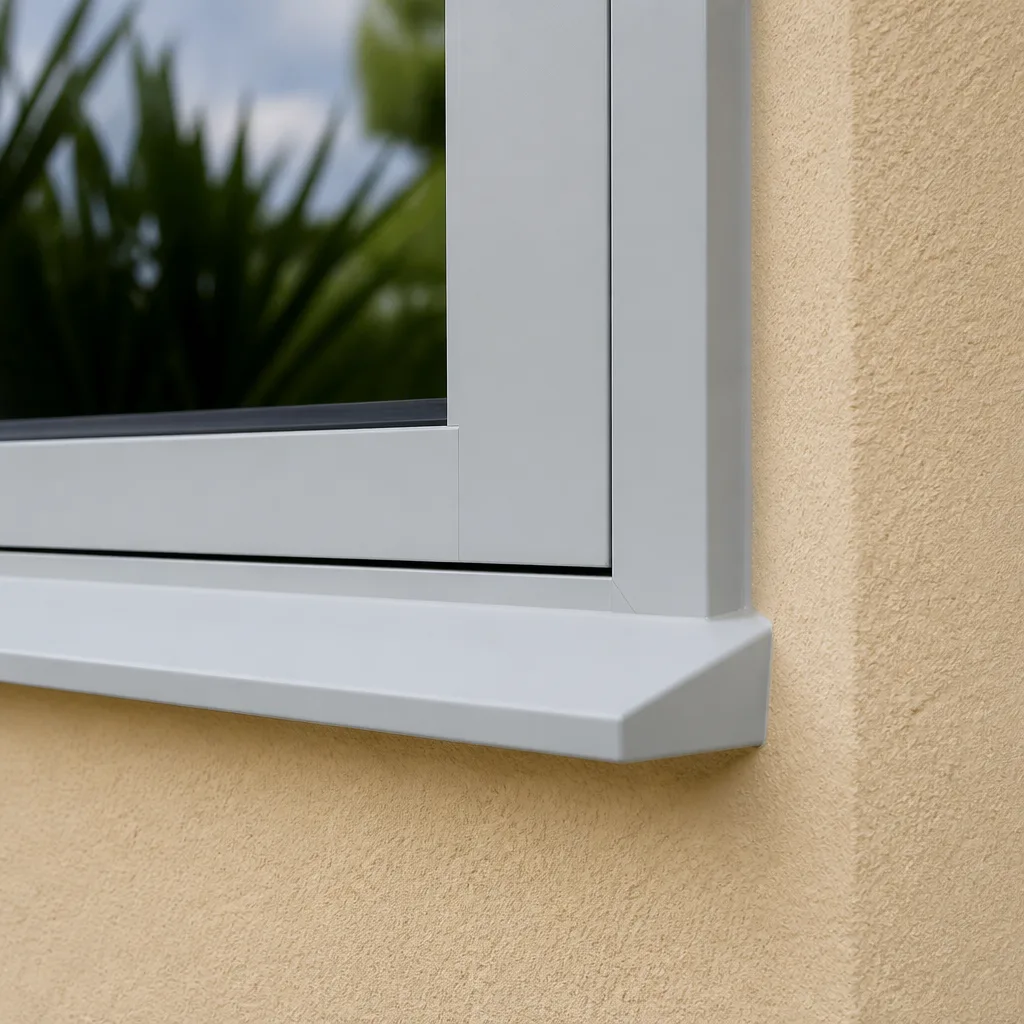
ENERGY STAR Replacement Windows
ENERGY STAR certification in South Florida is not a marketing sticker. The Southern zone rating means the window is designed for cooling-dominated climates like ours, not heating-dominated climates up north. We quote ENERGY STAR-rated lines from manufacturers including PGT, CGI, and Ply Gem, and we put the documentation in your hand before you sign anything. A Miami homeowner should never buy a window rated for Chicago winters.
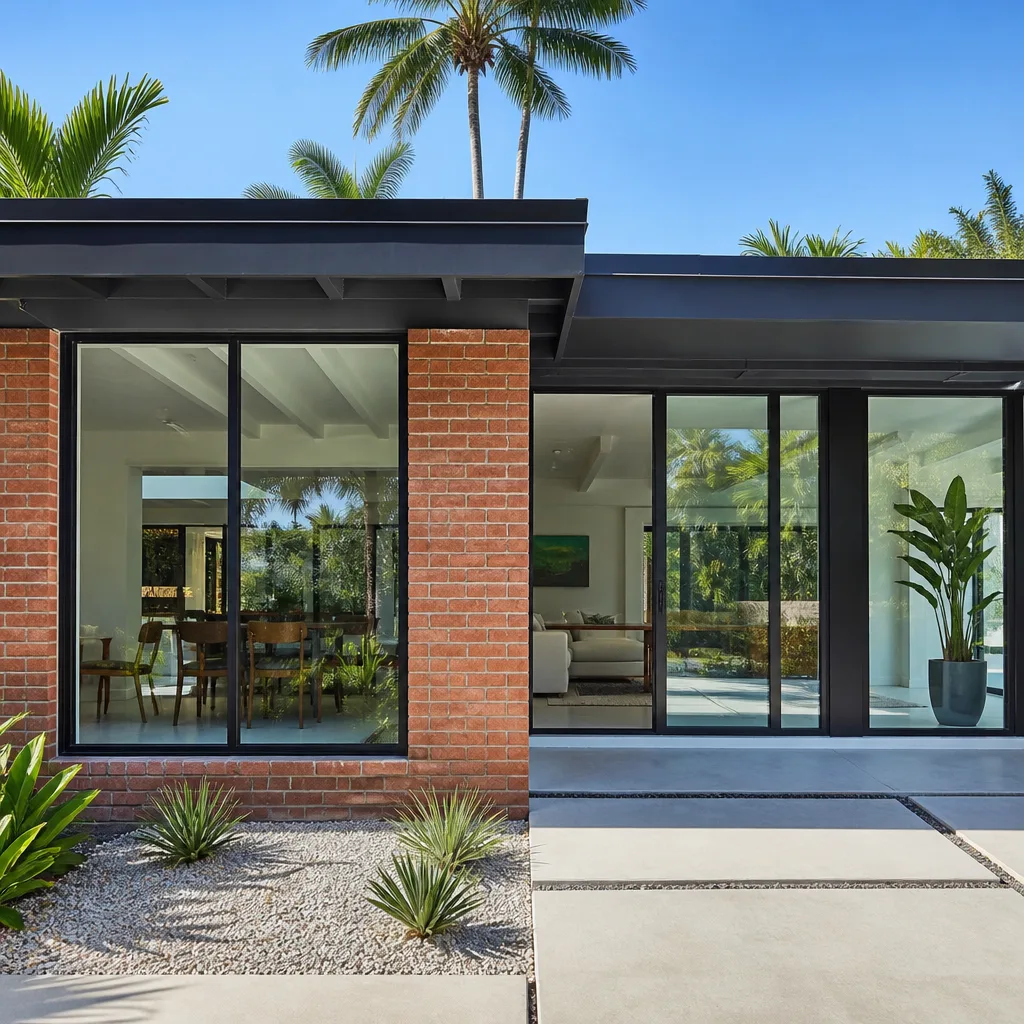
Double & Triple Pane Windows
Most Miami homes do not need triple-pane glass. Double-pane with a good low-E coating and argon fill gets you within a few percentage points of triple-pane thermal performance at a meaningfully lower price, and it keeps the sash weight manageable for older CBS rough openings. Triple-pane makes sense on west-facing elevations in places like West Kendall or Doral where afternoon sun pounds the glass for six hours straight, or on homes directly exposed to the 175 mph design wind speed that Miami-Dade code demands for any major metro in the country.
UV-Blocking & Fade Protection
UV-blocking glass matters in Miami more than almost anywhere else in the U.S. because the sun angle is higher and the UV season runs all year. We have seen hardwood floors faded in stripes beside original single-pane sliding doors in Coral Gables homes where the owner assumed curtains were enough. Low-E coatings block a large share of UV before it ever reaches your furniture, your tile, or your artwork. If fade protection is the priority, we spec glass with a stronger UV-blocking layer and walk you through the trade-offs on visible light transmission.
What happens when you call
- 1
A real person answersNo phone trees - you reach a local pro.
- 2
You get an upfront price rangeHonest numbers before anyone is dispatched.
- 3
A background-checked tech heads outLicensed & insured, dispatched right away.
- 4
You approve before work beginsNothing starts until you say go.
Trusted Brands We Service in Miami
TruePane is an authorized installer for more than a dozen manufacturer lines, including PGT, CGI, CWS, and Ply Gem. We quote Custom Windows & Doors in Miami side by side on paper so you can see the differences in glass coating, frame material, and NOA approval status before you spend a dollar. Because we stock local parts for Miami customers and schedule from our South FL office, turnaround on replacement glass and hardware is measured in days, not weeks. When a PGT sash needs a new balance or a CGI window needs a weep hole cover replaced, we are not ordering from a warehouse in another state and hoping it fits.
Why Miami-Dade’s HVHZ Code Changes Everything About Energy-Efficient Windows
Miami-Dade County is the only county in the United States classified as a High Velocity Hurricane Zone. That one sentence changes the entire conversation about energy-efficient windows in Miami. Every window and door we install must carry a Miami-Dade County Notice of Acceptance, which is a product-approval standard stricter than the Florida Building Code and essentially unique in the country. This applies to Es Windows in Miami and all other manufacturer lines we carry. A window that is legal in Tampa or Orlando cannot legally go into a Miami home without an NOA.
Here is what that means in practice. A homeowner in Kendall with a 1974 CBS house wants to replace drafty aluminum sliders with energy-efficient impact-rated units. The product has to be NOA-approved, the anchoring has to match the product approval’s installation schedule, and the rough opening may need a subsill buck retrofit because the original framing predates Hurricane Andrew and was never engineered for current wind-load requirements. That is not an upsell. That is the code.
There is a financial upside. Florida’s wind-mitigation credit system rewards homeowners who install NOA-approved impact glass with real premium reductions on windstorm insurance. We have helped Miami homeowners cut their wind premium substantially by replacing original jalousie windows with impact-rated low-E casement units. In a 1963 CBS home in Westchester, we removed original jalousie windows and replaced them with NOA-approved impact-rated casement units with low-E glass and argon fill. The subsill buck had to be re-anchored because the rough opening predated current wind-load schedules, and the homeowner is now seeing a substantial windstorm insurance premium cut. That combination – lower FPL bill, lower insurance premium – is the real return on investment for a Miami homeowner.
Common Energy-Efficient Windows Problems We See in Miami Homes
- Fogged insulated glass from salt corrosion. Salt-laden air from Biscayne Bay and the Atlantic corrodes standard aluminum frames and weep holes within a few years. Once the weep holes clog, condensation gets trapped between the panes and the seal fails. Marine-grade finishes prevent this, but most original Miami windows never had them.
- Pre-1992 CBS rough openings that do not match current anchoring schedules. Hurricane Andrew rewrote Miami-Dade’s wind-load requirements, and tens of thousands of homes built before 1992 have rough openings that were never designed for today’s impact-rated glazing. A poorly flashed install can leak or fail wind-load inspection. We re-anchor the subsill buck when the opening requires it.
- Jalousie windows with zero energy or impact performance. From Hialeah to Westchester to Kendall, original jalousie windows are still common in pre-1992 CBS homes. They are banned in new construction under Miami-Dade code, offer essentially no hurricane protection, and leak conditioned air constantly. Replacing them with NOA-approved low-E casement or fixed units is one of the highest-return window jobs in Miami.
- Using a non-NOA window on a property with outbuildings. On an acreage property with a detached workshop or guest house, installing a window without a Miami-Dade NOA means the whole structure fails HVHZ code and loses the wind-mitigation insurance credit. The code applies to every structure on the lot, not just the main house.
Pricing for Energy-Efficient Windows in Miami, FL
A typical double-pane low-E window with argon fill in Miami runs $850-$1,400 per opening installed. Triple-pane units run $1,200-$2,000 per opening. Impact-rated NOA-approved versions add roughly 25-40% over their non-impact equivalents, which is the cost of the Miami-Dade product approval and the heavier glazing it requires. Jalousie-to-casement conversions with new subsill buck anchoring typically run at the upper end of these ranges because of the framing work involved.
What moves the price: whether the rough opening needs re-anchoring, how many windows are being replaced at once, whether you choose a standard low-E coating or a stronger UV-blocking version, and whether the home is within a few blocks of saltwater and needs marine-grade frames. We give you a written line-item quote, not a round number pulled from the air. Call (954) 280-4413 to schedule a free estimate and get exact numbers for your home.
We Also Serve Cities Near Miami
TruePane serves homeowners throughout the Miami metro, including Miami proper as well as Miami Beach, Coral Gables, Key Biscayne, and Hialeah. If you are within a 45-minute drive of our South FL office, we can quote and schedule your energy-efficient window replacement without delay. The NOA requirements are the same across Miami-Dade, so the code conversation does not change from one city to the next.
Serving Miami, FL - Our Local Coverage Area
We’re based in the Miami area and know this community well, and we also install our Glass Railing Systems in Miami. Use the map below to see our service coverage - if you’re nearby, we can almost certainly help.
FAQs - Energy-Efficient Windows in Miami
Miami-Dade County is the only county in the U.S. designated as a High Velocity Hurricane Zone, so every window product installed here must carry a Miami-Dade County Notice of Acceptance (NOA). That product-approval standard is stricter than the Florida Building Code and does not exist for Tampa, Orlando, or any other Florida city. Installing a non-NOA energy-efficient window in Miami means the work fails code, the permit will not close, and you lose the wind-mitigation insurance credit entirely. We only quote NOA-approved products in Miami. Call (954) 280-4413 to review NOA documentation before you buy.
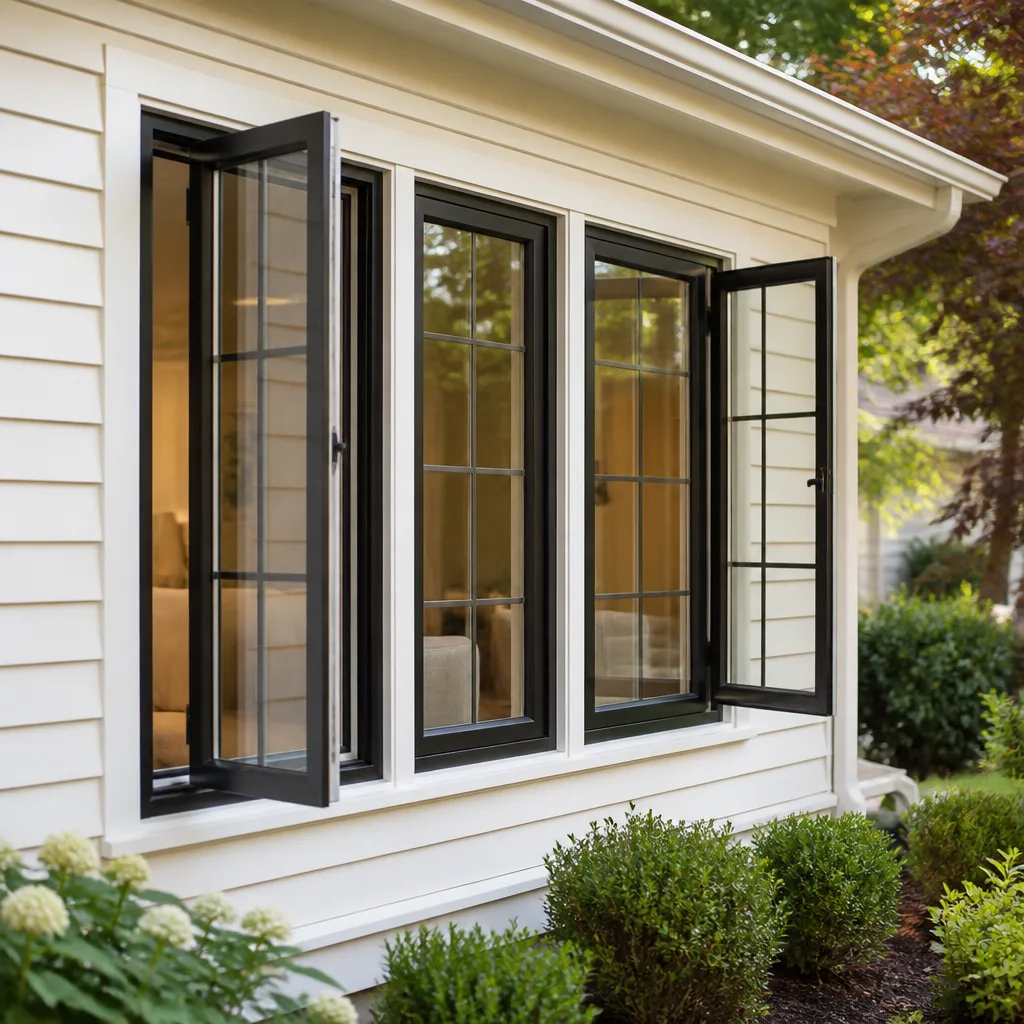
Yes. Jalousie windows are banned in new construction under Miami-Dade code, and replacing them with NOA-approved low-E casement or fixed units is one of the most common window projects we do in Hialeah, Westchester, and Kendall. The replacement requires re-anchoring the subsill buck in many pre-1992 rough openings because the original framing was never built for current wind-load schedules. We handle the structural work as part of the install, not as a surprise line item. Call (954) 280-4413 for a free estimate on a jalousie-to-casement conversion.
Yes, in two ways. First, Miami-Dade code applies to every structure on the lot, so the workshop needs NOA-approved windows just like the main house. Second, if the workshop has its own electrical service and you are trying to reduce cooling load, you may want to prioritize low-E glass on its sun-exposed sides rather than on the main house. We scope the entire property before quoting, so you know what meets code and what makes sense for your energy use. Call (954) 280-4413 to schedule a property walk-through.
Most Miami homeowners see the windstorm premium reduction reflected on their next renewal after the installation is complete and the wind-mitigation inspection is filed. The timing depends on your insurer’s processing schedule and whether your home had a prior wind-mitigation report on file. We provide the documentation your inspector and insurer need, including the NOA product approval numbers, so you are not chasing paperwork later. Call (954) 280-4413 for details on how we document every install for insurance purposes.
Yes. Miami’s cooling load runs year-round, and a double-pane low-E unit with argon fill cuts solar heat gain by a measurable margin compared to original single-pane glass. The savings are largest on east- and west-facing elevations and on homes where the existing windows are aluminum single-pane sliders or jalousies. A triple-pane unit adds a small thermal improvement but is usually only worth the extra cost on west-facing walls with direct afternoon sun. Call (954) 280-4413 and we will review your home’s orientation and current glass before recommending a spec.
Written by Dale Kessler, Owner at TruePane Windows & Doors, serving Miami since 2008.
Six Reasons Homeowners Choose TruePane Windows & Doors
Impact systems engineered to design pressures up to +/-100, matched to your wind zone - your openings hold when the storm arrives.
Low-E insulated impact glass from our manufacturer lines commonly cuts monthly cooling bills 20-30%.
Laminated impact glass shuts out up to 40% of outside noise - traffic, neighbors, weather.
Monitoring services run $30-90 a month. Laminated impact glass resists forced entry around the clock, with no subscription.
Florida homeowners average around 25% savings on the windstorm portion of their policy after protecting every opening - some homes qualify for more.
A full impact package upgrades curb appeal, buyer confidence and appraised value in one project.